
Pokhara · First-time guide
How to Plan Your First Trip to Pokhara: Layout, Transport, and Sights
August 29, 2026 · last updated · about 3 min read
City Layout and Key Districts
Pokhara centers along Phewa Lake. Most first-time visitors stay in Lakeside, a walkable strip on the eastern shore divided into North, Central, and South sections housing restaurants, gear shops, and docks. Just south is Damside, a quieter residential area with open lake views. Northeast lies the Old Bazaar, the bustling local core with trade markets and traditional brick architecture rather than tourist services.
Airport Arrival and Local Transport
Flights land at Pokhara Airport (PKR), a short drive east of the lake. Official taxis wait outside arrivals; agree on the fare beforehand because taximeters are not used. Within Lakeside, walking is the easiest way to travel. To reach the opposite shore or trails, hire wooden rowboats at lakeside jetties. For ridge viewpoints, hire a taxi for a round trip that includes waiting time.
First-Timer Pitfalls to Avoid
- Heading to viewpoints at midday: Clouds typically obscure the peaks by afternoon. Visit Sarangkot and surrounding ridges at dawn.
- Staying far from Lakeside: Lodging in the commercial city requires constant transit. Stay near the lake for easy walking.
- Entering taxis without agreed rates: Taxis do not use meters, so confirm the price before departure.
Sensible Shape for a First Visit
On your first day, walk around Lakeside and take a boat across the water to visit Tal Barahi Temple or hike up to Shanti Stupa. Dedicate the second morning to an early trip to Sarangkot for mountain views before clouds form. Save low-elevation and indoor sights, such as the International Mountain Museum or local caves, for cloudy afternoons.
Pick your dates — we'll search Pokhara hotels for you
Choose dates and guests, and the buttons below will open search results with your criteria. Prices differ between sites, so compare before you book.
 View on Booking.com
 View on Hotels.com
Things to see in Pokhara
See all →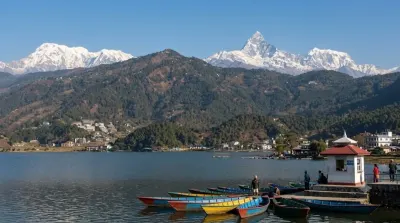
Nature
Phewa Lake
Phewa Lake, located south of Pokhara, is Nepal's second-largest lake. It is famous for the reflection of the snow-capped Himalayas, including Annapurna, on its surface.
Nature
Davis Falls
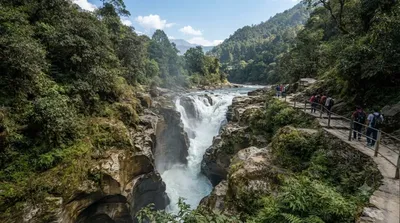
This waterfall in Pokhara plunges underground, carving out a cave roughly 150 meters long. It's a striking spot where you can see this unusual geological formation firsthand.
Nature
Mahendra Cave
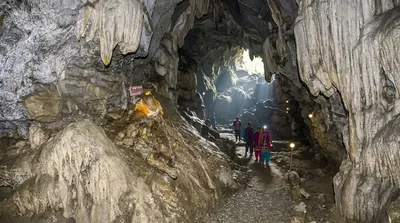
A limestone cave on the outskirts of Pokhara, notable in Nepal for its stalactites and stalagmites. A Shiva statue enshrined inside draws many travelers and pilgrims each year.
Temples & religious sites
Bindhyabasini Temple
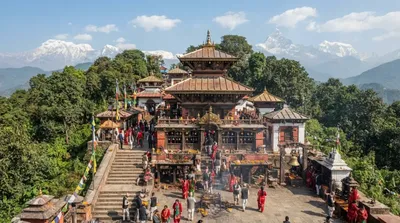
This is Pokhara's oldest and most iconic Hindu temple, dedicated to the goddess Durga and visited by a steady stream of worshippers. The grounds also feature several smaller shrines to other deities, making it a rewarding place to explore.
More Pokhara guides
Best value
Where to Stay in Pokhara for the Best Value
5-star & luxury
Where to Stay in Pokhara for a 5-Star Luxury Trip
Pool villas & resorts
Where to Stay in Pokhara for Resorts and Pool Villas
Family travel
Where to Stay in Pokhara for a Family Vacation
Couples & honeymoon
Where to stay in Pokhara for a couple or honeymoon trip
Central & near stations
Where to Stay in Pokhara for Easy Access to Bus Stations and Central Sights
Best time to visit
When Is the Best Time to Visit Pokhara, Nepal?
Getting around
How to Get Around Pokhara: Transport Options, Taxis, and Airport Transfers
First-time guide guides for other destinations
Guantánamo
First-Timer Guide to Guantánamo, Cuba: Layout, Transport, and Practical Tips
Cetinje
How to Plan Your First Trip to Cetinje: Layout, Transport, and Key Sights
North Nicosia
First-timer's guide to visiting North Nicosia: borders, layout, and transit
Cienfuegos
First-Timer Guide to Cienfuegos: Layout, Transport, and Practical Tips