World by City

Temples & religious sites

West Mebon
Open in Maps
West Mebon

West Mebon

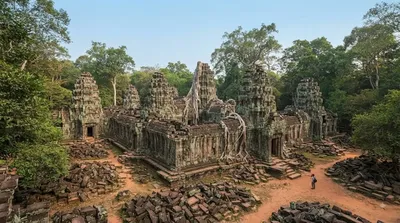
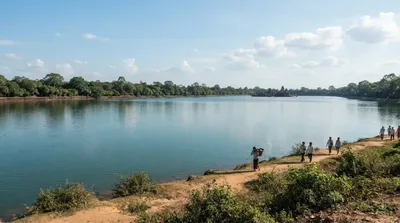
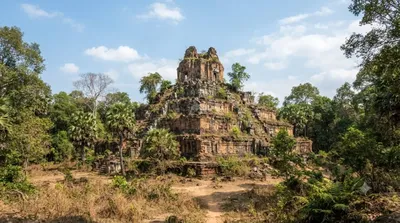
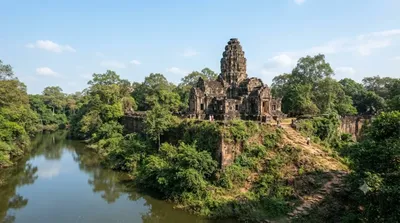
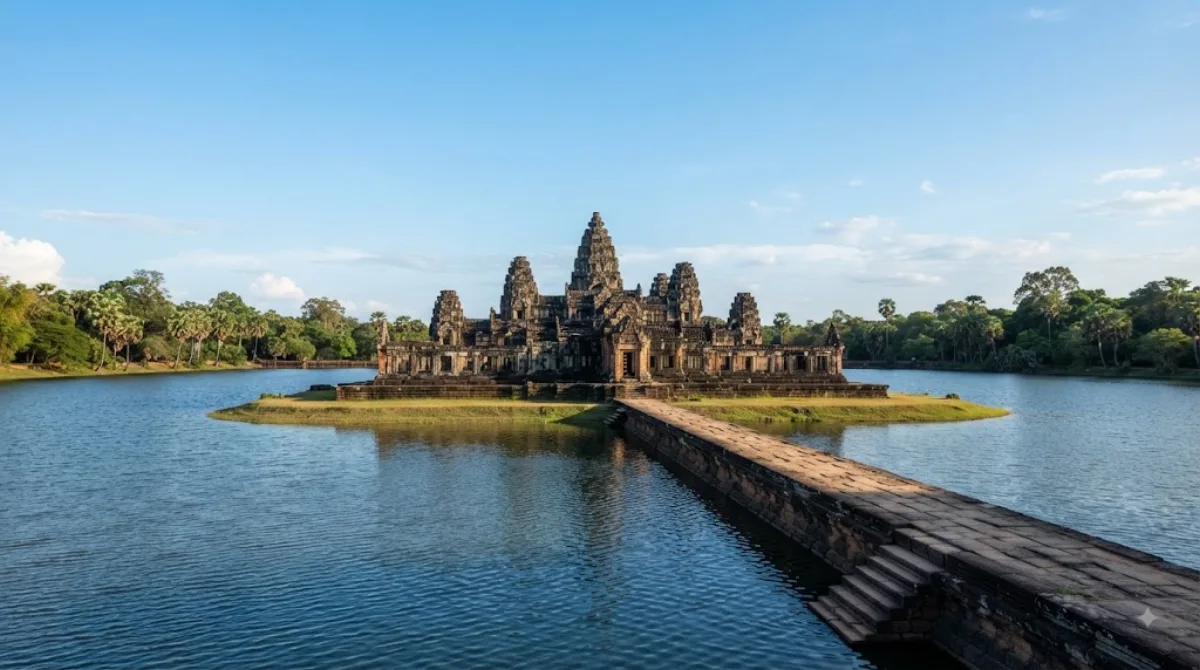
West Mebon is an 11th-century temple located on an artificial island at the center of the West Baray, the largest reservoir in the Angkor archaeological park. Travelers visit this site to see its unique island setting and the sandstone structures that once stood completely surrounded by water.

Getting There

The temple is located outside the main Angkor Wat temple complex. From Siem Reap city centre, it is typically reached by tuk-tuk or private vehicle. The journey takes approximately 30 to 45 minutes depending on traffic. Once you reach the edge of the reservoir, you must take a boat to reach the temple island.

Time Allocation

Allow roughly 1 to 2 hours for the visit. This includes the boat trip to and from the island and time to walk around the temple grounds.

When to Visit

Visiting during the early morning or late afternoon is recommended to avoid the midday heat, as the site has limited shade. The dry season is the most accessible time for travel. This location is generally less crowded than the primary temples like Angkor Wat or Bayon.

Nearby Attractions

Because of its location, this site is best combined with other attractions along the western edge of the park:

  • West Baray (0.1km): The massive reservoir that surrounds the temple.
  • Ak Yum (2.8km): A nearby temple site.
  • Prasat Chrung (5.3km): A further temple located in the same general direction.

Updated September 8, 2026 · Edited by the World by City editors

Tickets & tours

Admission prices and opening hours change often, so we don't list them here. Check what's on sale and at what price below — booking ahead can cut the queue at some places.

This place may not appear in the results — some sites are free to enter or sell tickets only at the gate.

Stays near West Mebon

Sorted by distance, walkable ones first. Distances are straight-line.

Map and place data © OpenStreetMap contributors

West Mebon Nearby stays

Check prices and availability on the booking sites.

Pick your dates — we'll search Siem Reap hotels for you

Choose dates and guests, and the buttons below will open search results with your criteria. Prices differ between sites, so compare before you book.

Hotel membership

Staying at Accor hotels often? ALL Accor+ Explorer

A paid annual membership. It includes two free nights a year across Asia-Pacific, 30% off dining and 15% off drinks, and 15% off stays at more than 4,500 hotels worldwide.

Explore the membership

Good to visit alongside

Baray

Heritage & monuments

Baray

This is a Khmer-era reservoir within the Angkor archaeological site in Siem Reap, Cambodia. Stretching vast distances from east to west, it offers a glimpse into the water management skills of the ancient Khmer civilization.

0.1 km away

West Baray

Heritage & monuments

West Baray

This is the largest artificial reservoir among the Angkor ruins, located west of Angkor Thom. Spanning 7.8 km by 2.1 km, its vast expanse of water offers an open, sweeping view worth enjoying.

0.1 km away

Ak Yum

Heritage & monuments

Ak Yum

Ak Yum is an ancient temple in the Angkor area, known as the oldest surviving "temple mountain" in Southeast Asia. Believed to date to the 8th century, it's a site well worth including in any Angkor tour.

2.8 km away

Prasat Chrung

Heritage & monuments

Prasat Chrung

Prasat Chrung refers to the sandstone temples built at each of the four corners of Angkor Thom's city wall, dedicated to Avalokiteshvara in the Bayon style. Their distinctive east-facing cruciform layout makes them a worthwhile stop while touring the Angkor temples.

5.3 km away

Baphuon

Temples & religious sites

Baphuon

Baphuon is a three-tiered temple mountain located inside Angkor Thom, northwest of the Bayon. Built in the mid-11th century to honor Shiva, it showcases distinctive arched architecture.

6.1 km away

Phnom Bakheng

Heritage & monuments

Phnom Bakheng

Phnom Bakheng is a temple-mountain-style Hindu shrine within the Angkor complex near Siem Reap, dedicated to the god Shiva. Believed to have been built in the late 9th century during the reign of King Yasovarman, it offers a glimpse of early Angkorian temple architecture.

6.2 km away