
Wuhan · Getting around
How to navigate public transport in Wuhan
August 29, 2026 · last updated · about 4 min read
Primary Modes of Transport
Wuhan is divided by the Yangtze and Han rivers into three main districts: Wuchang, Hankou, and Hanyang. Because of this geography, transport choice depends on which river crossing you need.
- Metro: The most efficient way to travel long distances between the three districts. It avoids heavy surface traffic and is the best choice for reaching major hubs like the Wuhan Railway Station.
- Taxis and Ride-Hailing: Ideal for short trips within a single district or for door-to-door service when carrying luggage. These are more convenient than the metro for reaching specific riverside parks or smaller alleys.
- Ferries: While primarily for commuters, ferries provide a direct crossing between Hankou and Wuchang, offering a more scenic route than the tunnels.
Payment and Passes
Most travelers use mobile payment apps (Alipay or WeChat Pay) to scan QR codes for the metro and buses. For those without local accounts, physical transport cards are available at station kiosks. These are suitable for short-term visitors, but not for those who prefer a completely paperless experience.
From Wuhan Tianhe International Airport (WUH) to City Center
- Metro: The most cost-effective and predictable option. It takes longer than a taxi but avoids traffic congestion.
- Airport Bus: A mid-range option in terms of cost and effort, serving specific major hubs in the city.
- Taxi/Ride-Hailing: The fastest and lowest-effort option, though it is the most expensive and subject to traffic delays during peak hours.
Practical Travel Notes
- Rush Hours: Avoid the metro and main bridges during morning and evening peaks, as congestion is severe.
- Last Services: Metro lines typically stop running around midnight; check specific line schedules for the exact cutoff.
- Luggage: Metro stations are equipped with elevators and escalators, making them accessible for travelers with suitcases.
- Accessibility: Major stations and newer buses are designed for accessibility, though older bus models may have limited facilities.
Pick your dates — we'll search Wuhan hotels for you
Choose dates and guests, and the buttons below will open search results with your criteria. Prices differ between sites, so compare before you book.
 View on Booking.com
 View on Hotels.com
Things to see in Wuhan
See all →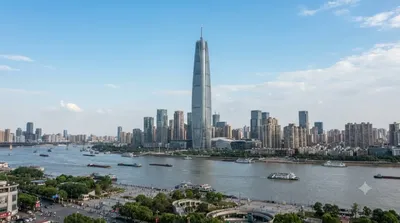
Views & landmarks
Wuhan Greenland Center
A supertall skyscraper in Wuhan with 101 floors above ground, rising to 475.6 meters. Its towering height makes it one of the city's tallest buildings, creating a striking skyline.

Temples & religious sites
Tower of the Yellow Crane
A historic tower on the bank of the Yangtze in Wuhan, offering sweeping views of the city and river from the top. Along with Tengwang Pavilion and Yueyang Tower, it's ranked as one of China's three great towers and remains a favorite among travelers.
Views & landmarks
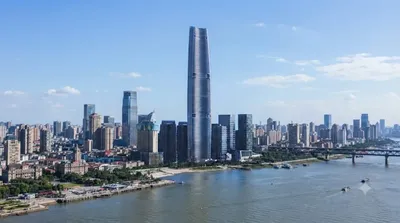
Wuhan Center
A skyscraper located in Wuhan, China. It offers great views of the city from up high.
Nature
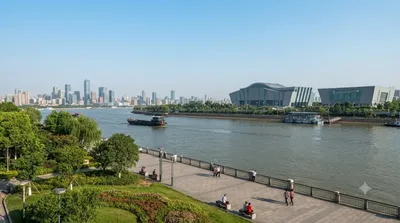
Han River
A tributary of the Yangtze that flows across Hubei province before joining the Yangtze at Wuhan. The confluence of the two rivers creates a distinctive landscape, dividing Wuhan into several districts.
More Wuhan guides
Best value
Where to stay in Wuhan for the best value
5-star & luxury
Where to stay in Wuhan for a luxury experience
Pool villas & resorts
Where to find pool villas and resorts in Wuhan
Family travel
Where to stay in Wuhan for a family trip
Couples & honeymoon
Where to stay in Wuhan for couples and honeymoon trips
Central & near stations
Where to stay in Wuhan for central access and transport convenience
Best time to visit
When is the best time to visit Wuhan, China?
First-time guide
How to plan your first trip to Wuhan
Getting around guides for other destinations
Guantánamo
How to Get Around Guantánamo and Travel from Antonio Maceo Airport
Cetinje
How to Get Around Cetinje and Travel from Podgorica Airport
North Nicosia
How to get around North Nicosia and travel from Larnaca Airport
Cienfuegos
How to get around Cienfuegos: transport options and airport transfers