Tempel & Sakralbauten
Tenryū-ji
Tenryū-ji Temple
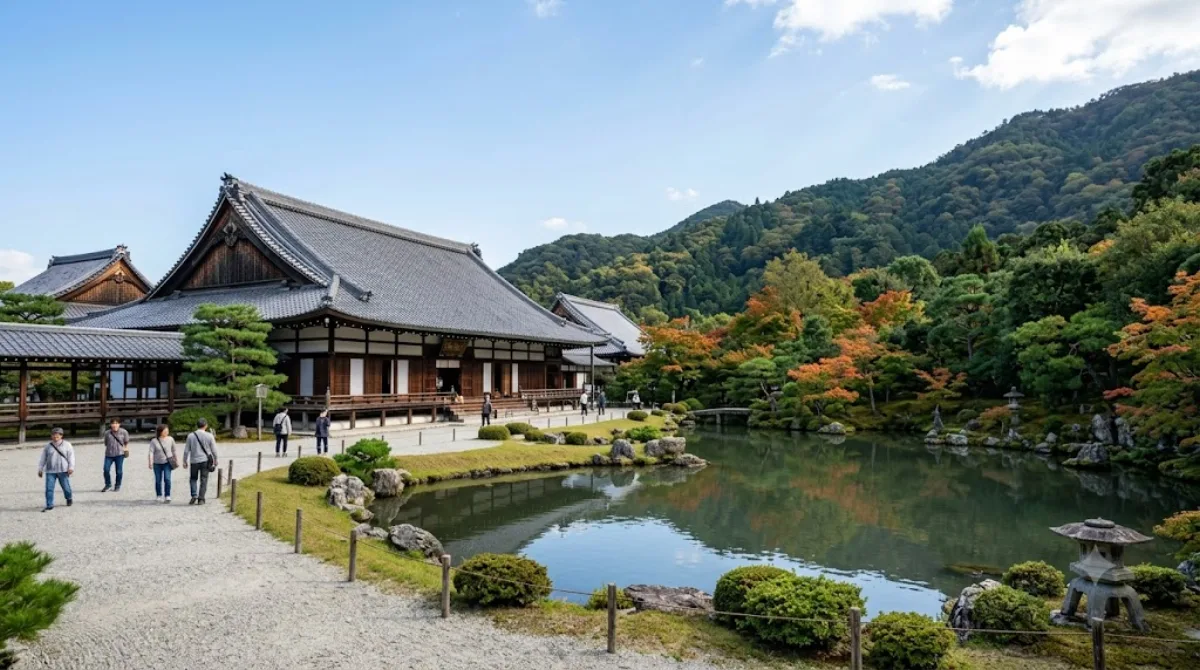
Tenryū-ji Tempel
Der Tenryū-ji ist ein Zen-Tempel in Kyoto, der 1339 von Ashikaga Takauji gegründet wurde. Er dient dem Gedenken an Kaiser Go-Daigo und gilt als einer der fünf bedeutendsten Zen-Tempel der Stadt. Besucher kommen primär, um den Sogenchi-Garten zu besichtigen, der vom ersten Oberhaupt des Tempels, Muso Soseki, entworfen wurde.
Anreise und Zeitplanung
Vom Stadtzentrum Kyotos aus ist der Tempel am besten mit der JR Sagano-Linie bis zum Bahnhof Saga-Arashiyama oder mit der Randen-Straßenbahn erreichbar. Die Fahrtzeit beträgt je nach Startpunkt etwa 20 bis 30 Minuten. Vor Ort sollten Besucher etwa zwei bis drei Stunden einplanen, um die Tempelanlagen und den Garten zu begehen.
Besuchszeit und Hinweise
Der Tempel ist besonders während der Kirschblütenzeit im Frühjahr und der Herbstlaubfärbung stark besucht. Um größeren Menschenmengen zu entgehen, empfiehlt sich ein Besuch in den frühen Morgenstunden. Aufgrund der Popularität des Standorts ist an Wochenenden und Feiertagen mit einem hohen Besucheraufkommen zu rechnen.
Kombinationsmöglichkeiten
Aufgrund der Lage im Stadtteil Arashiyama lässt sich der Besuch mit anderen Sehenswürdigkeiten verbinden:
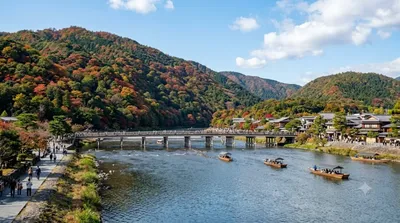
- Arashiyama (1 km)
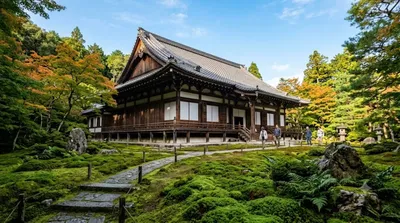
- Saihō-ji Tempel (2,8 km)
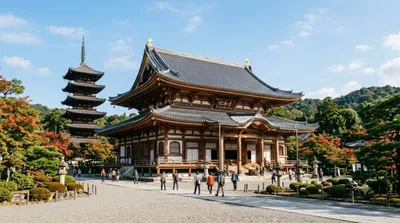
- Ninna-ji Tempel (4 km)
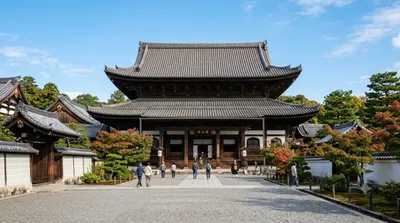
- Myōshin-ji Tempel (4,3 km)
Aktualisiert 20. September 2026 · Redaktion die World by City-Redaktion
 GetYourGuide
 Klook
Klook
 Tiqets
 KKday
KKday
 WeGoTrip
 Booking.com
 Hotels.com