Museen & Galerien
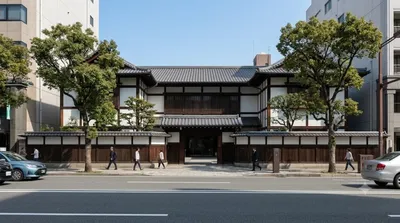
Orientalisches Keramikmuseum Ōsaka
Museum of Oriental Ceramics, Osaka

Museum of Oriental Ceramics, Osaka
Dieses Museum ist auf ostasiatische Keramik aus China und Korea spezialisiert. Die Ausstellungen basieren maßgeblich auf der Ataka-Sammlung sowie der Lee Byung-chang-Sammlung. Besucher können hier Goryeo-Seladon, weißes Joseon-Porzellan und verschiedene chinesische Keramiken direkt miteinander vergleichen.
Anreise aus dem Stadtzentrum
Das Museum liegt nördlich des Zentrums von Osaka. Die Anreise erfolgt am besten mit der U-Bahn oder dem Bus. Je nach Startpunkt im Stadtkern dauert die Fahrt etwa 20 bis 30 Minuten.
Zeitaufwand vor Ort
Für einen Rundgang durch die Hauptsammlungen und die wechselnden Ausstellungen sollten Besucher etwa 2 bis 3 Stunden einplanen.
Besuchszeit und Besucheraufkommen
Das Museum ist eine ruhigere Alternative zu den großen touristischen Zentren der Stadt. Es kommt selten zu extremen Menschenmengen, sodass die Exponate in einer entspannten Atmosphäre betrachtet werden können.
Kombinationsmöglichkeiten in der Umgebung
Aufgrund der Lage lassen sich weitere kulturelle und wissenschaftliche Einrichtungen in der Nähe besuchen:
- Yuki Museum of Art: 0,7 km entfernt
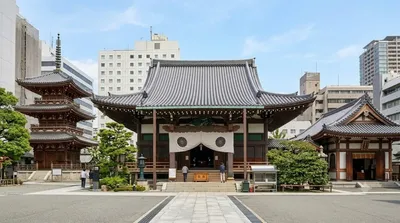
- Taiyū-ji Tempel: 0,9 km entfernt
- National Museum of Art, Osaka: 1,2 km entfernt
- Osaka Science Museum: 1,3 km entfernt
Aktualisiert 20. September 2026 · Redaktion die World by City-Redaktion
 GetYourGuide
 Klook
Klook
 Tiqets
 KKday
KKday
 WeGoTrip
 Booking.com
 Hotels.com