Denkmäler & Ausgrabungen
Circus Maximus
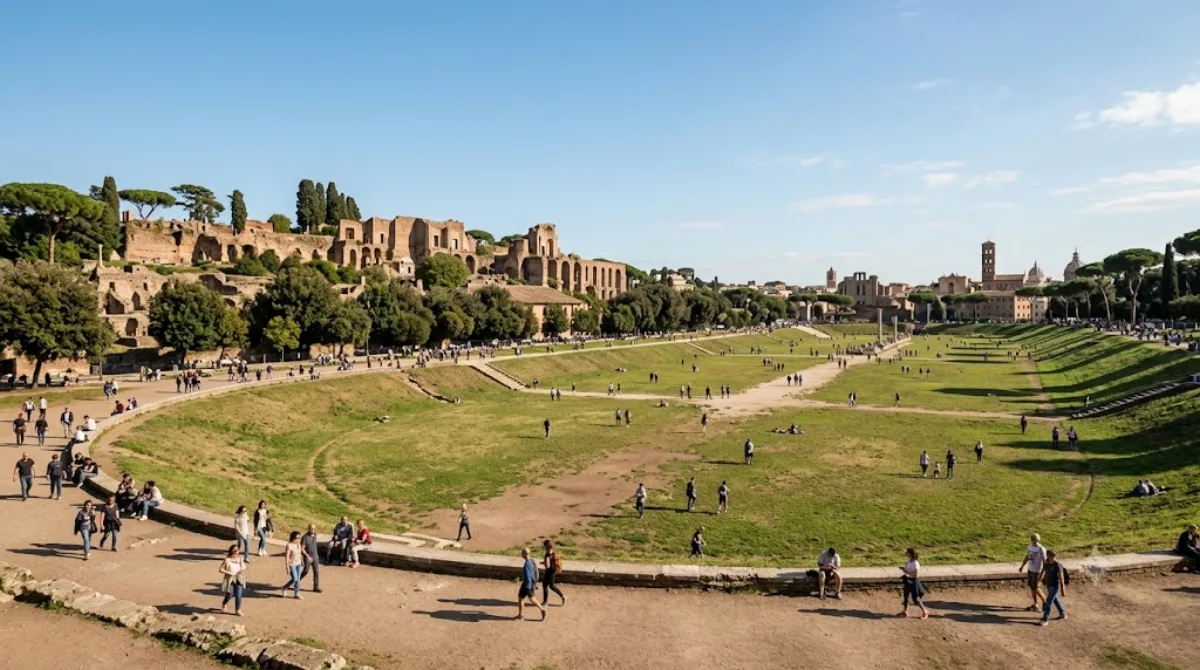
Circus Maximus
Der Circus Maximus war das größte Stadion für Wagenrennen im antiken Rom. Er liegt im Tal zwischen dem Aventin- und dem Palatinhügel. Heute sind keine baulichen Überreste der Tribünen oder der Rennbahn mehr sichtbar; die Anlage präsentiert sich als eine lange, ovale Grünfläche. Besucher kommen hierher, um die Dimensionen der antiken Rennstrecke, die 621 Meter lang und 118 Meter breit war, zu erfassen.
Anreise aus dem Stadtzentrum
Die Anlage ist vom Zentrum Roms aus gut erreichbar. Je nach Startpunkt ist sie zu Fuß oder mit den öffentlichen Verkehrsmitteln (Bus oder Metro) in etwa 15 bis 30 Minuten erreichbar.
Zeitaufwand vor Ort
Da es sich heute primär um eine öffentliche Parkanlage ohne Museen oder geschlossene Ausstellungsräume handelt, reicht ein Zeitaufwand von 30 bis 60 Minuten aus, um das Gelände zu begehen.
Besuchszeit und Hinweise
Das Gelände ist ganzjährig zugänglich. In den Sommermonaten kann es aufgrund der offenen Fläche sehr heiß werden. Da es sich um einen öffentlichen Raum handelt, ist der Bereich oft belebt, insbesondere an Wochenenden und während lokaler Veranstaltungen.
Kombination mit anderen Sehenswürdigkeiten
Aufgrund der zentralen Lage lässt sich der Besuch mit anderen antiken Stätten kombinieren:
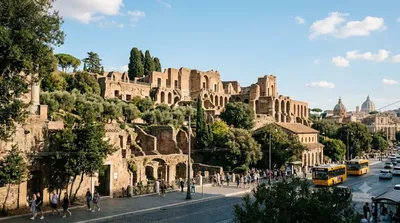
- Palatinhügel: 0,3 km
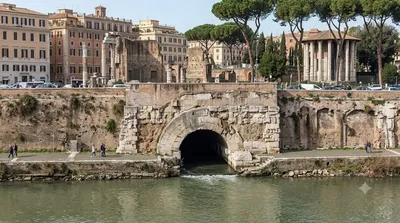
- Cloaca Maxima: 0,6 km
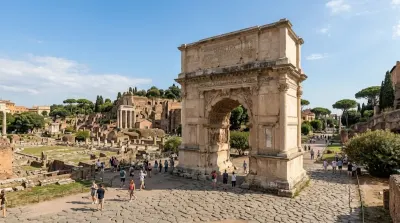
- Titusbogen: 0,6 km
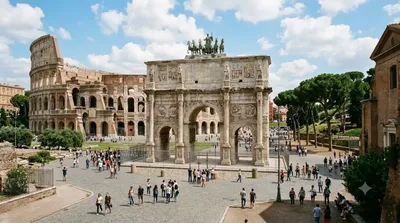
- Konstantinsbogen: 0,6 km
Aktualisiert 20. September 2026 · Redaktion die World by City-Redaktion
 GetYourGuide
 Klook
Klook
 Tiqets
 KKday
KKday
 WeGoTrip
 Booking.com
 Hotels.com