Denkmäler & Ausgrabungen
Servianische Mauer
Servian Wall
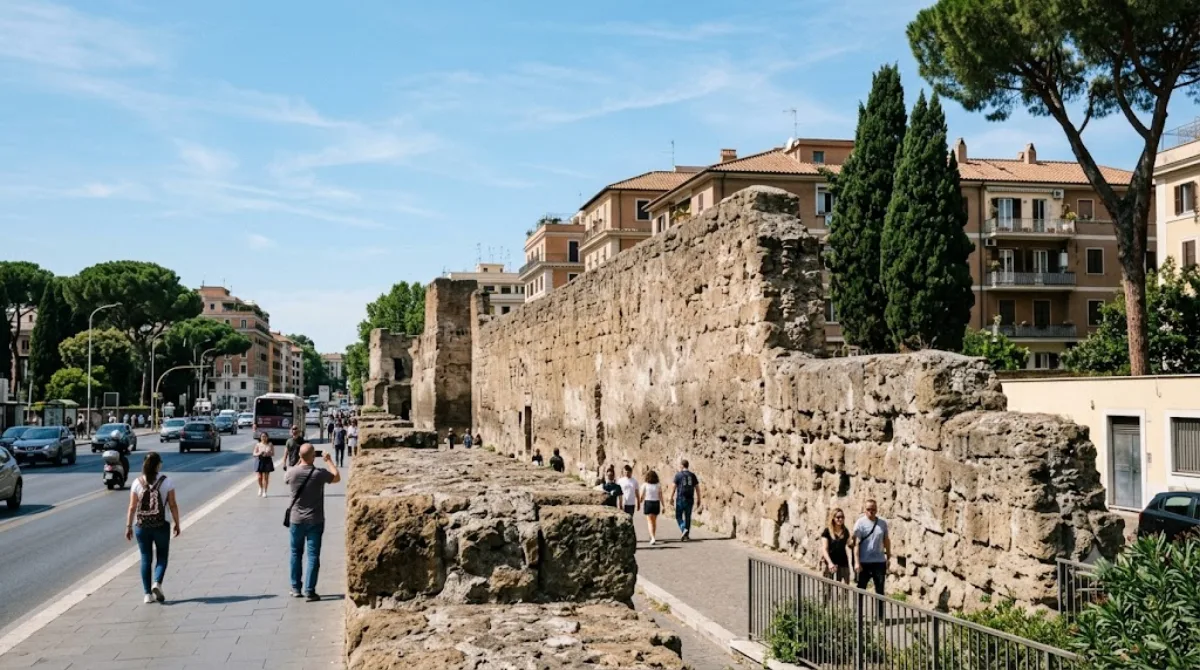
Die Servianische Mauer
Die Servianische Mauer ist eine antike Verteidigungsanlage aus dem frühen 4. Jahrhundert v. Chr. Sie wurde aus Tuffstein, einem vulkanischen Gestein, errichtet. In ihrer ursprünglichen Form war sie bis zu 10 Meter hoch, hatte eine Basisbreite von 3,6 Metern und erstreckte sich über eine Gesamtlänge von 11 Kilometern mit 16 Haupttoren. Reisende besuchen die verbliebenen Abschnitte, um die frühe Stadtbefestigung und die ursprüngliche Ausdehnung des antiken Roms zu sehen.
Anreise und Zeitplanung
Die Überreste der Mauer befinden sich an verschiedenen Stellen im Stadtgebiet. Vom Zentrum aus sind die zugänglichen Abschnitte je nach Startpunkt in etwa 15 bis 30 Minuten mit öffentlichen Verkehrsmitteln oder zu Fuß erreichbar. Da es sich nicht um einen einzelnen, geschlossenen Komplex handelt, sollten Besucher für die Besichtigung der markanten Mauerreste etwa 30 bis 60 Minuten einplanen.
Besuchszeit und Hinweise
Die Mauerabschnitte sind im öffentlichen Raum integriert und daher jederzeit zugänglich. Um Hitze und große Menschenmengen in den umliegenden Straßen zu vermeiden, empfiehlt sich ein Besuch in den frühen Morgenstunden oder während der Nebensaison. In den touristischen Kernzonen Roms kann es zu jeder Tageszeit voll werden.
Kombinationsmöglichkeiten
Aufgrund der Lage lassen sich die Mauerreste mit anderen Sehenswürdigkeiten verbinden:
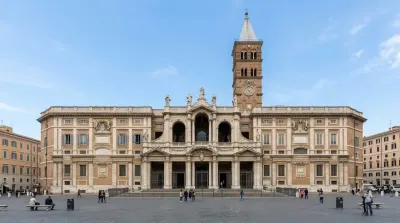
- Basilica di Santa Maria Maggiore (0,5 km)
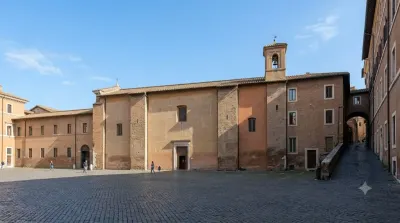
- San Pietro in Vincoli (1,1 km)
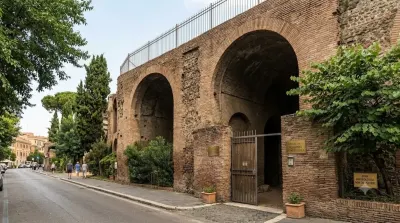
- Domus Aurea (1,3 km)
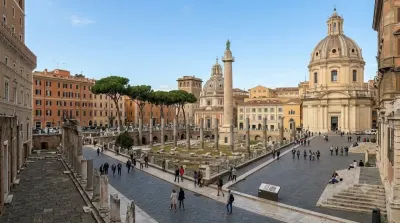
- Trajansforum (1,5 km)
Aktualisiert 20. September 2026 · Redaktion die World by City-Redaktion
 GetYourGuide
 Klook
Klook
 Tiqets
 KKday
KKday
 WeGoTrip
 Booking.com
 Hotels.com