Museen & Galerien
Domus Aurea
Überblick
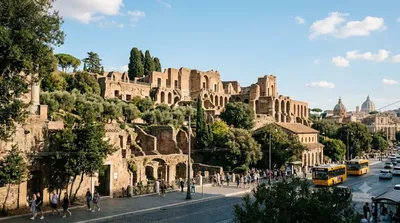
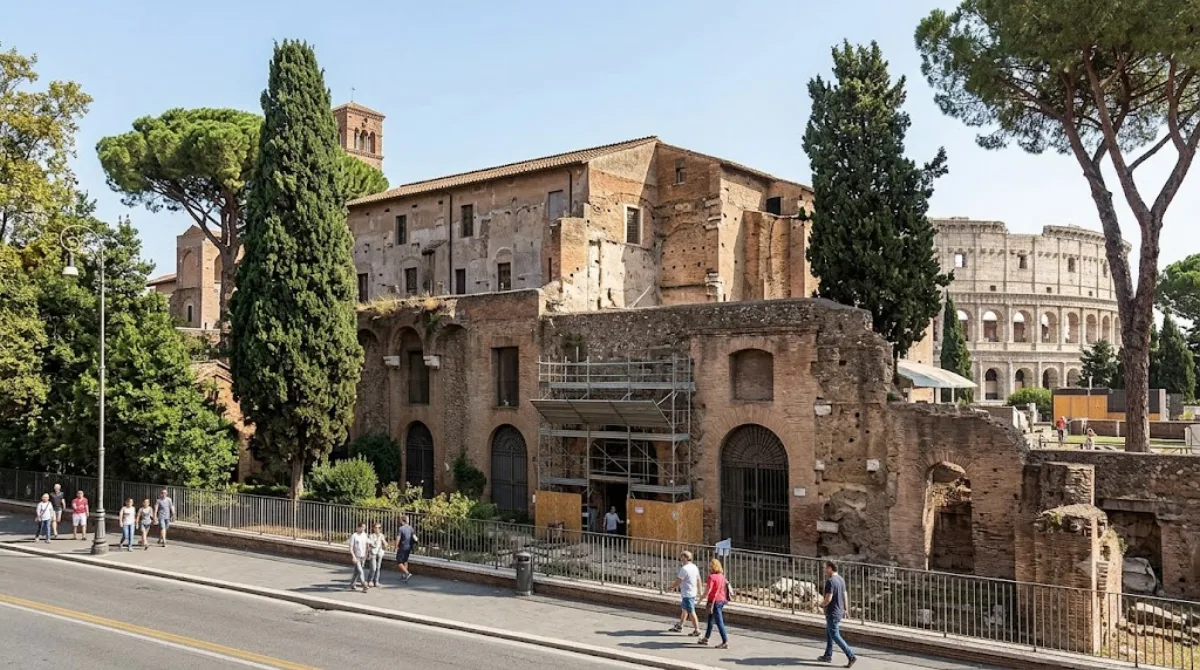
Die Domus Aurea umfasst die Überreste eines Palastkomplexes, den Kaiser Nero nach dem Brand Roms 64 n. Chr. auf dem Oppio-Hügel errichten ließ. Fast alle oberirdischen Bauten gingen verloren; erhalten blieben unterirdische Räume unter den späteren Trajansthermen. Besucher besichtigen dort weitläufige Gewölbe und Reste erhaltener Wandmalereien.
Anreise aus dem Zentrum
Vom Hauptbahnhof Termini oder der Altstadt dauert der Weg rund 15 bis 20 Minuten. Die Metrolinie B fährt direkt zur Station Colosseo. Von dort aus führt ein kurzer Fußweg durch den Park des Colle Oppio zum Eingang.
Dauer des Besuchs
Für die Besichtigung sind rund 1,5 bis 2 Stunden einzuplanen. Wegen der kühlen Temperaturen und Feuchtigkeit im Untergrund empfiehlt sich wärmere Kleidung.
Besuchszeit und Andrang
Unter Tage ist der Rundgang wetterunabhängig und im Sommer kühl. Der Einlass erfolgt ausschließlich in geführten Gruppen mit begrenzter Teilnehmerzahl. Die Räume sind dadurch nie überfüllt, eine Voranmeldung ist jedoch zwingend nötig.
Ziele in der Umgebung
Folgende Sehenswürdigkeiten liegen in fußläufiger Distanz:
- San Pietro in Vincoli (0,3 km)
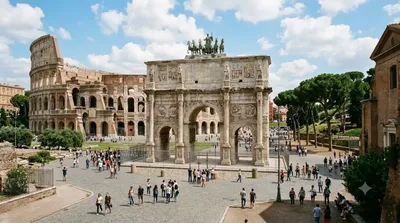
- Konstantinsbogen (0,4 km)
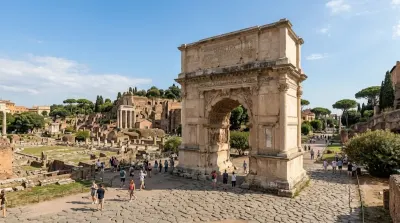
- Titusbogen (0,6 km)
- Basilica di Santa Maria Maggiore (0,7 km)
Aktualisiert 20. September 2026 · Redaktion die World by City-Redaktion
 GetYourGuide
 Klook
Klook
 Tiqets
 KKday
KKday
 WeGoTrip
 Booking.com
 Hotels.com