博物館・美術館
ドムス・アウレア
Domus Aurea
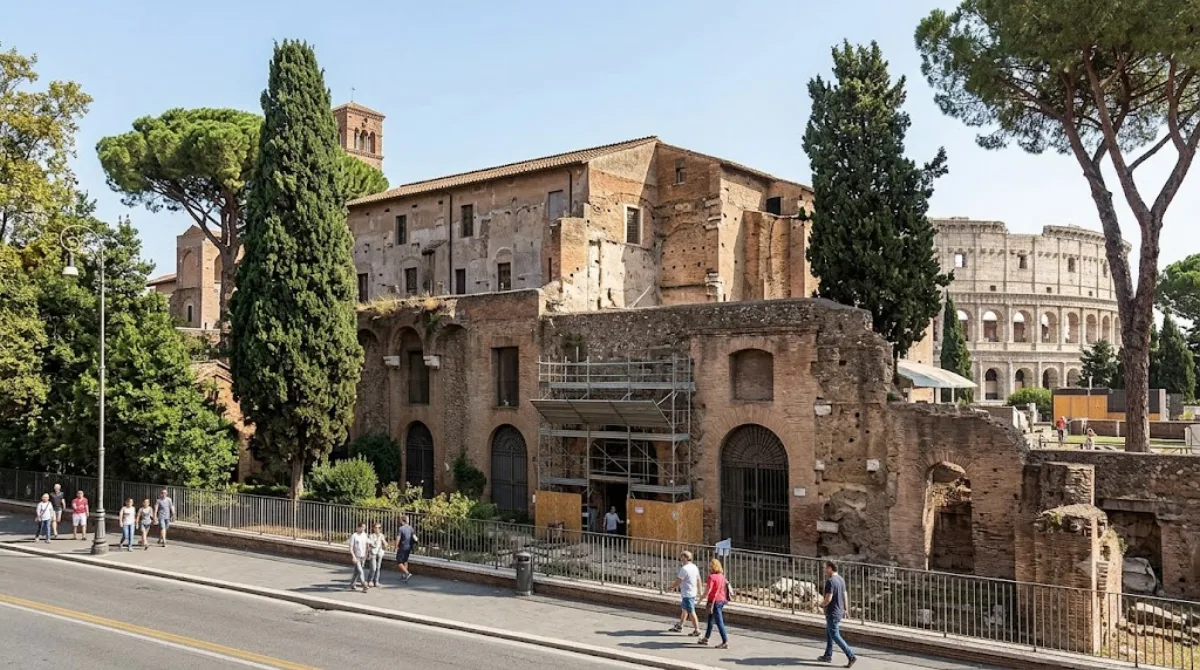
ドムス・アウレア は、ローマ帝国第5代皇帝ネロが建設した大宮殿。64年に起こったローマ大火の後に、ローマ市中心部に建設された大規模な宮殿で、このためにネロは市民の反感を買うことになった。16世紀には地下の洞窟「グロッタ」として知られており、その室内装飾はルネサンス美術にも影響を与えた。
What It Is
The Domus Aurea ("Golden House") was Emperor Nero's palace complex, built on the Oppian Hill after the fire of 64 AD destroyed much of central Rome. What survives are the underground brick vaults and chambers of the original structure, later buried and used as foundations for the Baths of Trajan. Visitors walk through cavernous halls with fragments of frescoes and stucco decoration still visible on the ceilings. It's a site for people interested in Roman engineering and imperial history rather than a conventional art museum with displayed objects — the space itself, and its scale, is the main draw.
Getting There
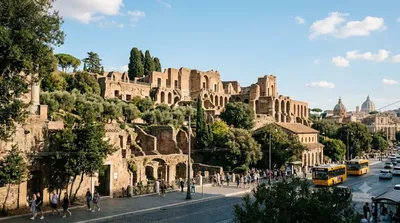
The site sits on the Oppian Hill, an easy walk from the Colosseum area — roughly 10-15 minutes on foot from the Colosseum or Roman Forum. From Rome's city centre (e.g., Piazza Venezia), it's about a 20-minute walk, or a short ride on the metro (Colosseo station, Line B) followed by a walk uphill through Parco del Colle Oppio.
Time to Allow
Visits typically run about an hour, often as a guided tour through the underground rooms, since the site is managed with timed access to protect the structure.
When to Go
Because access is limited and often only via scheduled visits, arriving without checking ahead can mean not getting in. Weekends and midday in high season tend to be busier; the underground setting means temperature and crowd levels are more consistent than at open-air ruins nearby.
Combine It With
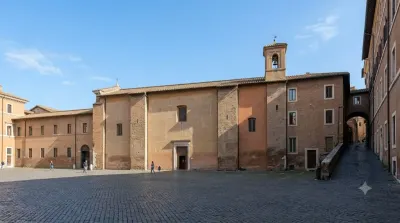
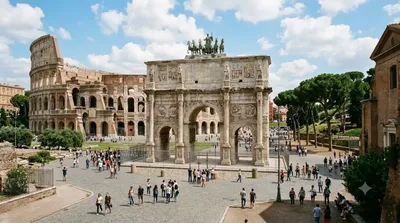
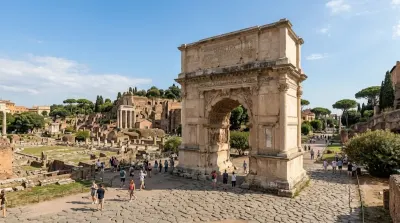
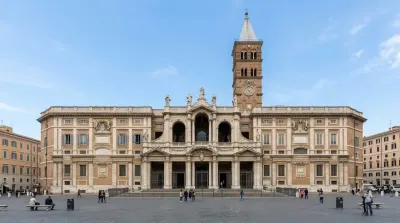
The location makes it easy to pair with other ancient Rome sites: San Pietro in Vincoli is just 0.3km away, while the Arch of Constantine (0.4km) and Arch of Titus (0.6km) sit near the Colosseum on the walk down the hill. Basilica di Santa Maria Maggiore, about 0.7km away, works well as a next stop if continuing toward the Esquiline Hill.
出典:ウィキペディア・OpenStreetMap の公開データ · 2026年8月5日 更新 · 編集 World by City 編集部