
 Lebanon
Beirut is a lively city on the Mediterranean, with ancient sites like Baalbek and Tyre scattered nearby. Conditions vary widely by region, so it's worth checking the situation before traveling.
- Currency
- LBP
Lebanon currency guide — today's rate & payment tips
Visa and entry rules change often. Check your government's travel advisory or the local embassy before you go.
Average temperature by month
Based on Beirut · 5-year average
Choose a city
Map and place data © OpenStreetMap contributors
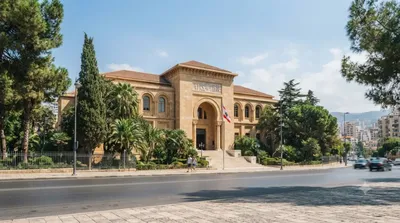
Beirut
The capital and largest city of Lebanon, a leading port city on the Mediterranean. Home to about 1.8 million people, its lively energy can be felt throughout.
45 sights 9 guides Beirut–Rafic Hariri International Airport (BEY)
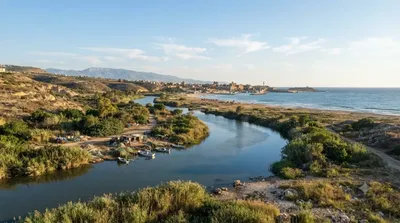
Tyre
One of the world's oldest continuously inhabited cities and a major city of ancient Phoenicia. Filled with ancient ruins including a hippodrome, the entire city is listed as a UNESCO World Heritage Site.
4 sights 9 guides Beirut–Rafic Hariri International Airport (BEY)
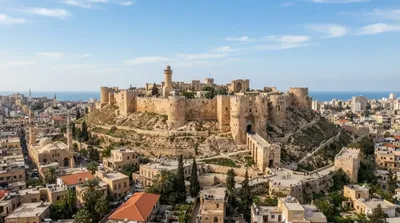
Tripoli
A port city on the Mediterranean coast of northern Lebanon and the country's second-largest city. It's a good place to explore historic architecture such as its citadel and the Great Mansouri Mosque.
13 sights 9 guides Beirut–Rafic Hariri International Airport (BEY)
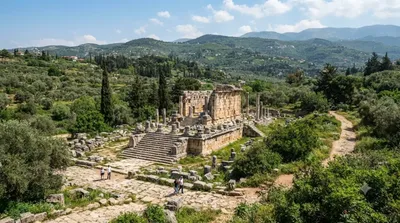
Sidon
A port city on the Mediterranean coast of southern Lebanon. It's a good place to explore ancient sites such as the Temple of Eshmun and the Sea Castle.
10 sights 9 guides Beirut–Rafic Hariri International Airport (BEY)
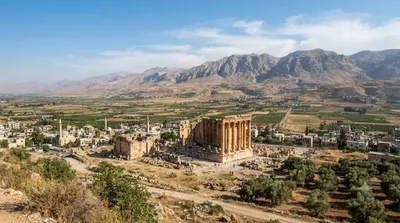
Baalbek
A city in Lebanon's Bekaa Valley, at an elevation of 1,170 meters, famous for its temple ruins built during the Roman era. Once one of the largest religious sites in the Roman Empire, it hosts the Baalbeck International Festival every year.
9 sights 9 guides Beirut–Rafic Hariri International Airport (BEY)
Top sights in Lebanon
Museums & galleries
National Museum of Beirut
The National Museum of Beirut is Lebanon's national archaeological museum, opened in 1942. Its collection of roughly 100,000 items traces history from antiquity through the Middle Ages.
Shopping & districts
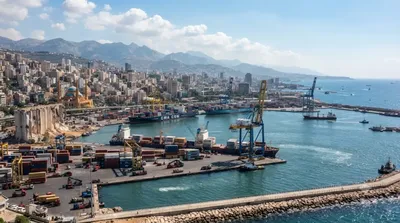
Port of Beirut
The Port of Beirut sits on Lebanon's Mediterranean coast in northern Beirut and first opened in 1887 during the Ottoman era. As one of the largest ports in the eastern Mediterranean, it serves as the city's gateway.
Temples & religious sites
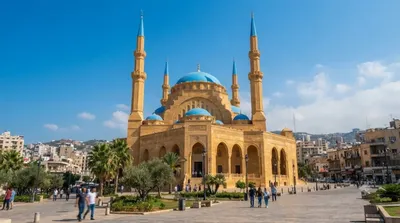
Mohammad Al-Amin Mosque
A Sunni mosque in downtown Beirut, also known as the "Blue Mosque." Its towering minarets and grand dome stand out prominently on the city skyline.
Shopping & districts
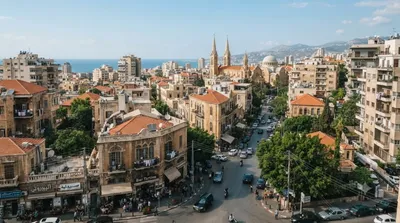
Ashrafieh
Ashrafieh is an upscale residential district in eastern Beirut. Sitting on the city's highest ground, it's a great place to explore on foot along its hilly streets, taking in views across the city.
Nature
Beqaa Valley
A valley lying between the Lebanon and Anti-Lebanon mountain ranges, about 30 kilometers east of Beirut. It is known as a fertile agricultural region watered by the Orontes and Litani rivers.
Heritage & monuments
Temple of Eshmun
An ancient temple dedicated to Eshmun, the Phoenician god of healing, located on the banks of the Awali River near Sidon. The site was expanded by successive kings from the 7th century BC onward, and visitors can explore these remains today.
Shopping & districts
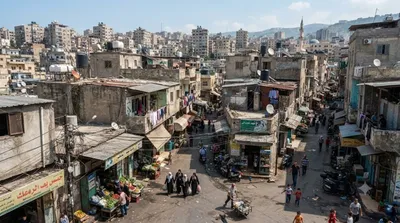
Shatila refugee camp
A Palestinian refugee camp in southern Beirut, established in 1949. Since the Syrian civil war, it has also become home to Syrian refugees.
Castles & palaces
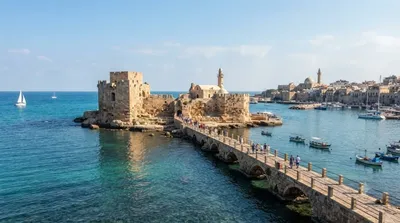
Sidon Sea Castle
Built by the Crusaders in the 13th century, this fortress is one of the defining historic landmarks of the Lebanese port city of Sidon. Set right against the sea, it preserves the traces of an ancient stronghold.
Visit stories: Lebanon
Have you been to this country?
Share your visit story with photos you took yourself. Once checked, it goes into the Magazine.
Local data
Get an eSIM for Lebanon before you go
Activate mobile data with a QR code instead of swapping SIM cards. Buy it before departure and switch it on the moment you land.
 Airalo
 Yesim
Yesim
 Saily
Saily
 Drimsim
Check prices and availability on the booking sites.