Museums & galleries
Vasari Corridor
What it is
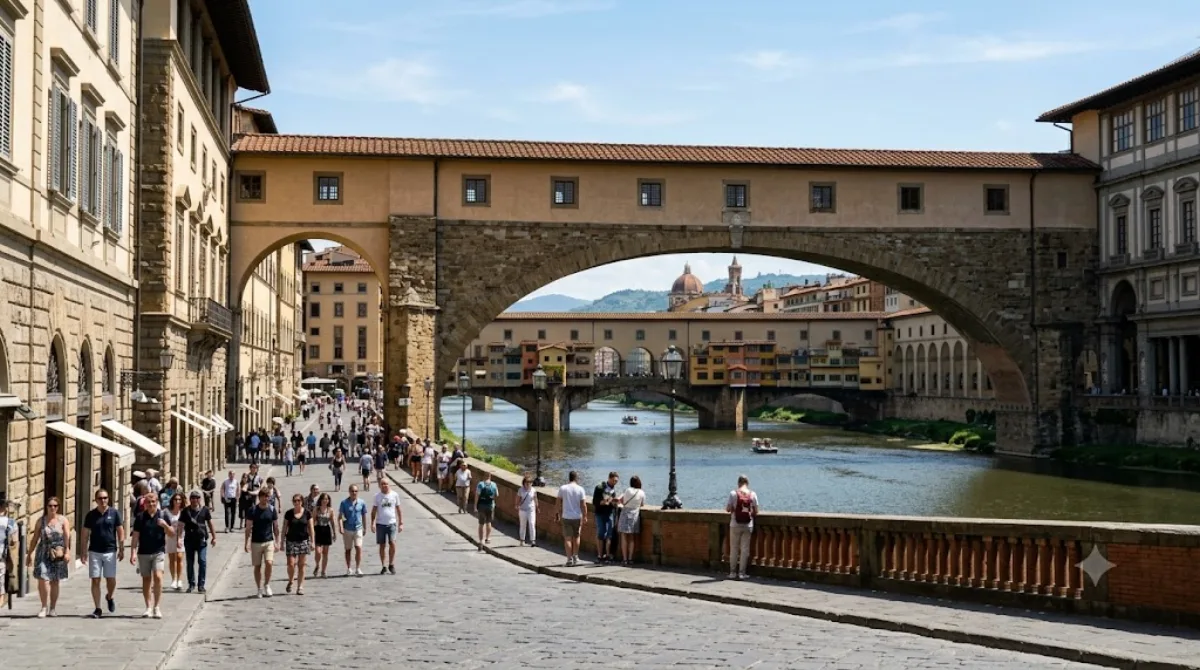
The Vasari Corridor is an enclosed elevated passageway built in 1565 to let the Medici family walk between the Palazzo Vecchio, the seat of government, and their residence at the Palazzo Pitti, without setting foot on the street below. It runs above the Ponte Vecchio and through part of the Uffizi Gallery. Rather than a museum in the ordinary sense, it's an architectural curiosity: a private, secretive route through the historic centre that shows how the ruling family separated itself from the city it governed.
Getting there
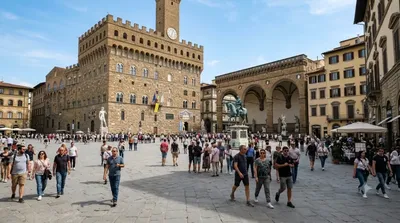
It sits in the heart of central Florence, next to Piazza della Signoria, so most visitors simply walk in from wherever they're staying in the old town. Access to the corridor itself is via the Uffizi Gallery.
Time to allow
Walking the corridor itself takes well under an hour. If it's visited as part of an Uffizi Gallery ticket, plan for the museum visit to run considerably longer.
When to go
Because access is limited and tied to the Uffizi, and the route is narrow, it tends to fill up quickly whenever it's open to visitors. Going as early in the day as possible helps avoid the thickest crowds, especially in the busier spring and summer months.
What to combine it with
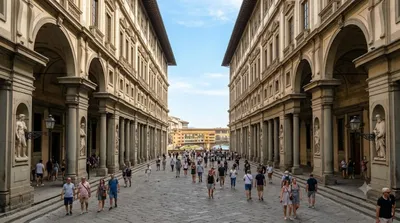
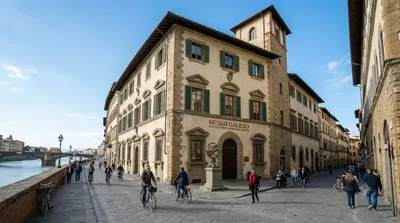
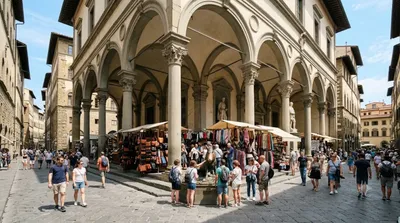
Its location makes it easy to pair with a cluster of central sights: Piazza della Signoria and the Uffizi Gallery are both about 0.1km away, as is the Museo Galileo, and the Loggia del Mercato Nuovo is a short 0.2km walk. A single outing on foot can easily take in all four alongside the corridor itself.
Updated September 20, 2026 · Edited by the World by City editors
 GetYourGuide
 Klook
Klook
 Tiqets
 KKday
KKday
 WeGoTrip
 Booking.com
 Hotels.com