World by City

Heritage & monuments

Pyramid of Userkaf
Open in Maps
Pyramid of Userkaf

Pyramid of Userkaf

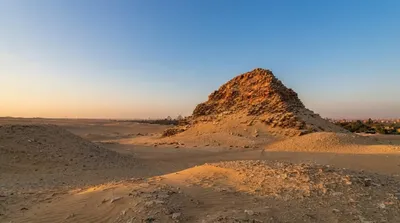
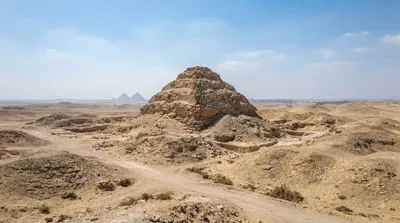
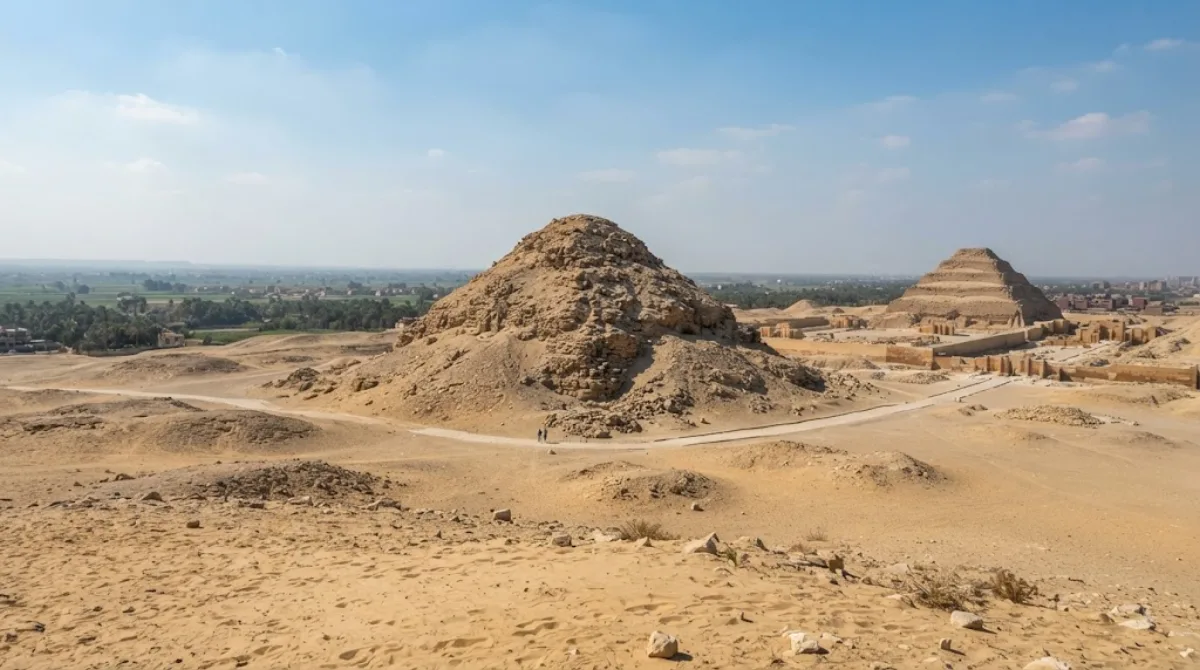
The Pyramid of Userkaf is the burial site of the pharaoh who founded the Fifth Dynasty. Located in the Saqqara necropolis, the structure has eroded significantly over centuries, resulting in a shape that resembles a natural sand dune rather than a traditional pyramid. Visitors go here to see the early architectural transitions of the Old Kingdom and the specific state of decay of this early Fifth Dynasty monument.

Getting There

The site is located in Saqqara, south of Cairo. From the city centre, the most common method of transport is by taxi or private hire vehicle. The journey typically takes between 45 and 90 minutes depending on traffic conditions in Cairo.

Visit Duration

Because the structure is heavily crumbled and lacks an extensive interior complex for the general public, most visitors spend approximately 30 to 60 minutes at this specific site.

When to Visit

Early morning is recommended to avoid the midday heat of the desert. The cooler winter months are the most suitable season for visiting. While the main Giza plateau is often crowded, this site generally sees fewer visitors, though tour groups may arrive during peak morning hours.

Nearby Attractions

This site is situated within a cluster of other archaeological monuments. You can combine your visit with the following nearby locations:

  • Pyramid of Djoser: 0.3km
  • Pyramid of Sahure: 3.1km
  • Mastabet el-Fara'un: 3.9km
  • Abu Gorab: 4.1km

Updated September 8, 2026 · Edited by the World by City editors

Tickets & tours

Admission prices and opening hours change often, so we don't list them here. Check what's on sale and at what price below — booking ahead can cut the queue at some places.

This place may not appear in the results — some sites are free to enter or sell tickets only at the gate.

Stays near Pyramid of Userkaf

Sorted by distance, walkable ones first. Distances are straight-line.

Map and place data © OpenStreetMap contributors

Pyramid of Userkaf Nearby stays

Check prices and availability on the booking sites.

Pick your dates — we'll search Giza hotels for you

Choose dates and guests, and the buttons below will open search results with your criteria. Prices differ between sites, so compare before you book.

Hotel membership

Staying at Accor hotels often? ALL Accor+ Explorer

A paid annual membership. It includes two free nights a year across Asia-Pacific, 30% off dining and 15% off drinks, and 15% off stays at more than 4,500 hotels worldwide.

Explore the membership

Itineraries including this place

Good to visit alongside

Pyramid of Djoser

Heritage & monuments

Pyramid of Djoser

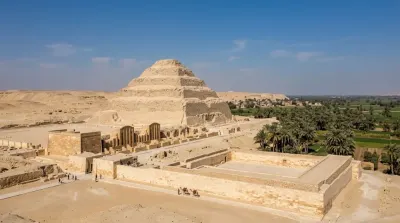
Egypt's earliest pyramid, notable for its distinctive step shape. Built in the 27th century BCE as the tomb of Pharaoh Djoser, it forms the centerpiece of a vast funerary complex.

0.3 km away

Pyramid of Sahure

Heritage & monuments

Pyramid of Sahure

Built as the mortuary monument of Pharaoh Sahure of Egypt's Fifth Dynasty, this pyramid marked the start of pyramid construction at Abusir. It became widely known after Ludwig Borchardt excavated it in the early 1900s.

3.1 km away

Mastabet el-Fara'un

Heritage & monuments

Mastabet el-Fara'un

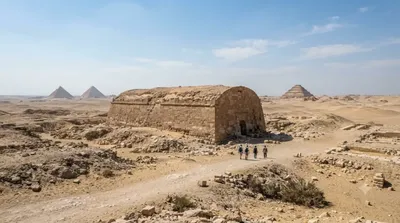
An ancient royal tomb south of Saqqara, Egypt, situated between the Pyramid of Djoser and the pyramids of Dahshur. Ruin enthusiasts visit it for its unusually shaped royal tomb.

3.9 km away

Abu Gorab

Heritage & monuments

Abu Gorab

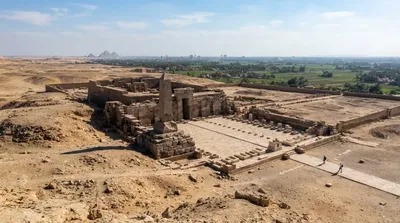
An archaeological site on a desert plateau near Giza, Egypt, between Saqqara and Abusir. Sun temples from the Old Kingdom remain here, and the Sun Temple of Niuserre, the largest and best preserved, is especially worth seeing.

4.1 km away

Red Pyramid

Heritage & monuments

Red Pyramid

A massive pyramid at the Dahshur necropolis, it is Egypt's third largest after the Pyramids of Khufu and Khafre at Giza. It is known as the first "true" pyramid, with fully smooth sloping sides.

7.3 km away

Layer Pyramid

Heritage & monuments

Layer Pyramid

A step pyramid remaining at the Zawyet el-Aryan site in Egypt, so badly damaged that its original form is hard to determine. Its owner is unknown, but it's believed to date from the Third Dynasty of the Old Kingdom.

8.6 km away