World by City

Views & landmarks

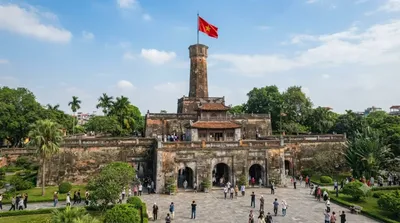
Flag Tower of Hanoi
Open in Maps
Flag Tower of Hanoi

Flag Tower of Hanoi

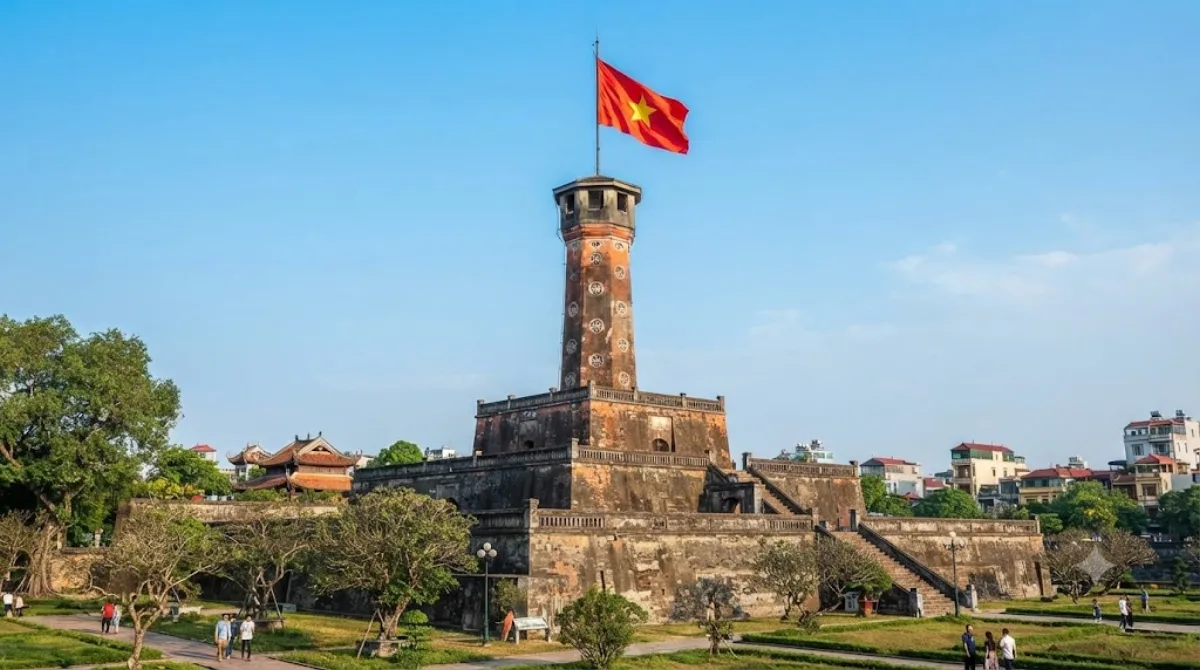
The Flag Tower of Hanoi is a historic landmark located within the grounds of the Thang Long Imperial Citadel, a UNESCO World Heritage site. Travelers visit this site to see one of the city's primary symbols and to explore the architectural remnants of the citadel's military and administrative history.

Getting There

The tower is located near the center of Hanoi. From the Old Quarter, you can reach the site via taxi or ride-sharing app in approximately 10 to 15 minutes, depending on traffic conditions.

Duration of Visit

Allow roughly 45 to 90 minutes to view the tower and walk around the immediate surrounding grounds of the citadel.

When to Visit

Early morning or late afternoon is recommended to avoid the midday heat. The site can become crowded during national holidays and weekends. The dry season, from October to April, generally offers more comfortable temperatures for walking outdoors.

Nearby Attractions

Because of its central location, the tower can be combined with several other sites within walking distance:

  • Imperial Citadel of Thang Long: 0km (located on the same grounds)
  • Vietnam National Museum of Fine Arts: 0.4km
  • Ba Dinh Square: 0.6km
  • Temple of Literature: 0.6km

Updated September 13, 2026 · Edited by the World by City editors

Tickets & tours

Admission prices and opening hours change often, so we don't list them here. Check what's on sale and at what price below — booking ahead can cut the queue at some places.

This place may not appear in the results — some sites are free to enter or sell tickets only at the gate.

Stays near Flag Tower of Hanoi

Sorted by distance, walkable ones first. Distances are straight-line.

Map and place data © OpenStreetMap contributors

Flag Tower of Hanoi Nearby stays

Check prices and availability on the booking sites.

Pick your dates — we'll search Hanoi hotels for you

Choose dates and guests, and the buttons below will open search results with your criteria. Prices differ between sites, so compare before you book.

Hotel membership

Staying at Accor hotels often? ALL Accor+ Explorer

A paid annual membership. It includes two free nights a year across Asia-Pacific, 30% off dining and 15% off drinks, and 15% off stays at more than 4,500 hotels worldwide.

Explore the membership

Itineraries including this place

Good to visit alongside

Imperial Citadel of Thang Long

Castles & palaces

Imperial Citadel of Thang Long

A former imperial citadel in Hanoi, Vietnam, that holds centuries of dynastic history. Walking through the palace grounds and ruins, you can picture what it once looked like.

0.0 km away

Vietnam National Museum of Fine Arts

Museums & galleries

Vietnam National Museum of Fine Arts

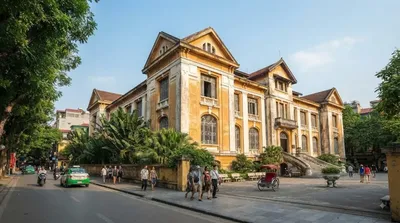
The Vietnam Fine Arts Museum occupies a former French colonial-era building in Hanoi's Ba Dinh district. It holds a collection of modern and contemporary paintings, sculptures, and lacquerware, making it Vietnam's second-largest art museum after the Ho Chi Minh City Museum of Fine Arts.

0.4 km away

Ba Ðình Square

Parks & gardens

Ba Ðình Square

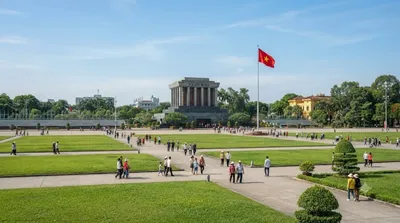
A square that holds the history of Vietnam's independence, where Ho Chi Minh proclaimed the country's founding in 1945. After his death, a mausoleum was built here to house his remains.

0.6 km away

Temple of Literature

Heritage & monuments

Temple of Literature

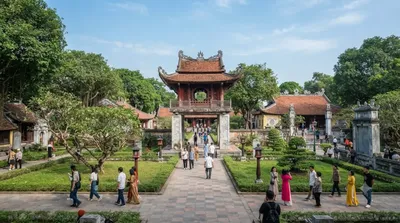
The Temple of Literature is a venerable Confucian temple in Hanoi's Dong Da district and the site of Vietnam's first national university. Strolling through its serene gardens and traditional architecture, visitors can sense centuries of history.

0.6 km away

Ho Chi Minh Mausoleum

Heritage & monuments

Ho Chi Minh Mausoleum

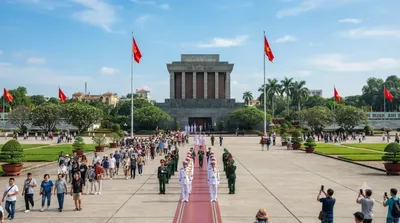
The Ho Chi Minh Mausoleum stands on Ba Dinh Square in Hanoi. This grand three-story structure is open to the public and continues to draw a steady stream of visitors paying their respects.

0.7 km away

One Pillar Pagoda

Temples & religious sites

One Pillar Pagoda

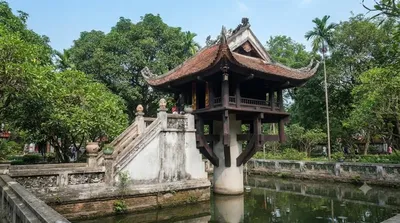
This is one of Hanoi's most iconic ancient pagodas, built in 1049 by Ly Thai Tong, founder of the Ly dynasty. It was damaged during the war in 1954 and later restored to its present form.

0.7 km away