
2 nights, 3 days
Kyoto 3-Day Itinerary (2 Nights)
A 3-day route through Kyoto grouped by daily travel distance for optimal sightseeing.
Distances are straight-line, so actual transit times will differ. Feel free to reorder the stops. · Updated August 15, 2026
The whole route at a glance
Map and place data © OpenStreetMap contributors Lines are straight connections, not actual routes.
DAY 1
Around Kiyomizu-dera Temple · Temples & religious sites·Museums & galleries
Directions in Google Maps-
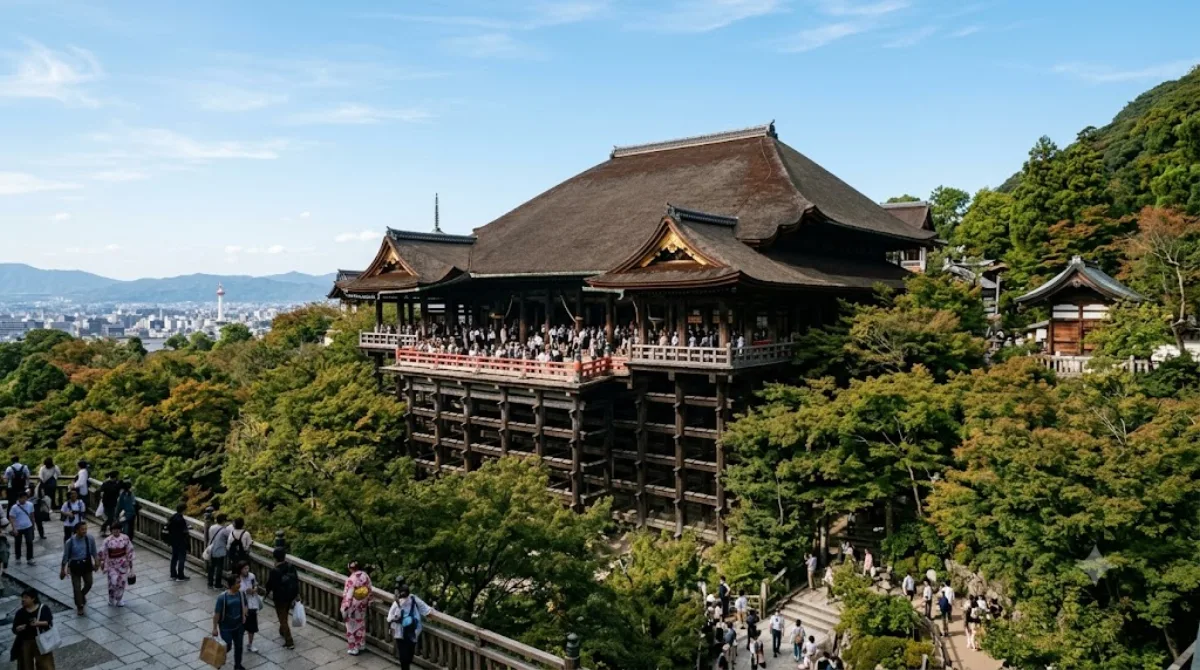
MorningKiyomizu-dera Temple
Temples & religious sites
Kiyomizu-dera is a Buddhist temple at the foot of the mountains in eastern Kyoto, formally known as Otowasan Kiyomizu-dera. It is the head temple of the Kita Hosso sect of Japanese Buddhism, its principal image is the eleven-headed Kannon, and it is the 16th temple on the Saikoku 33 Kannon Pilgrimage.
-
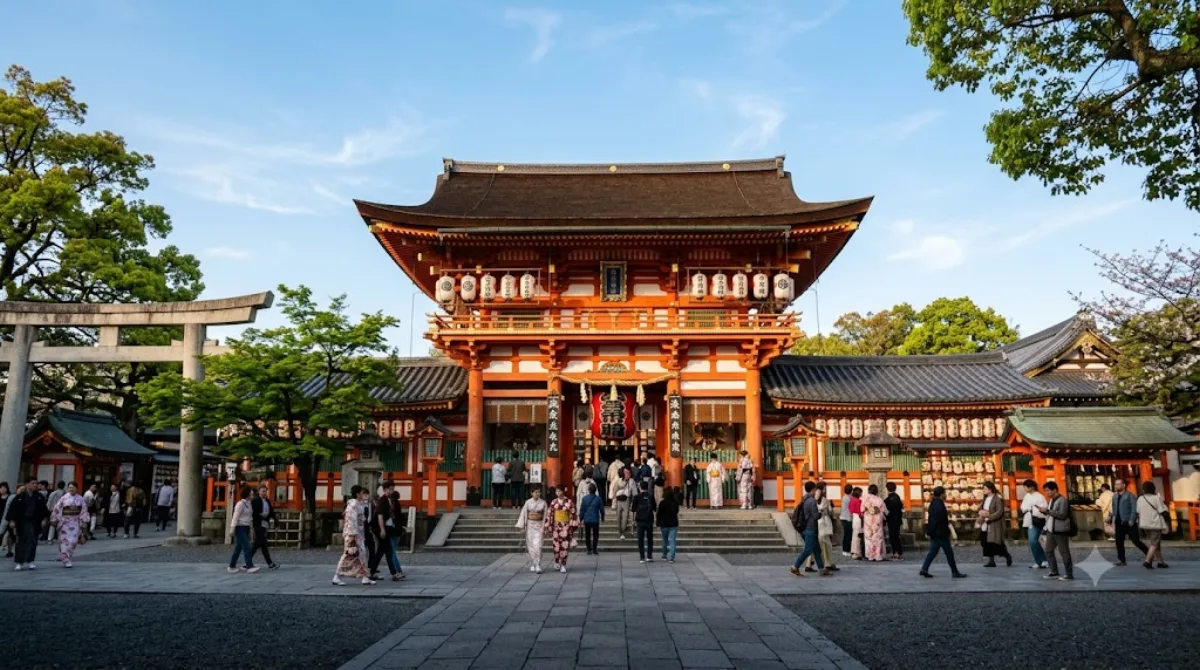
After lunchYasaka Shrine
Temples & religious sites · 1.1 km from the previous stop
Yasaka Shrine sits at the eastern end of Shijo Street in Kyoto's Gion district and was formerly known as Gion-sha. It enshrines Susanoo-no-Mikoto as its principal deity, along with his consort Kushinadahime and their eight children.
-
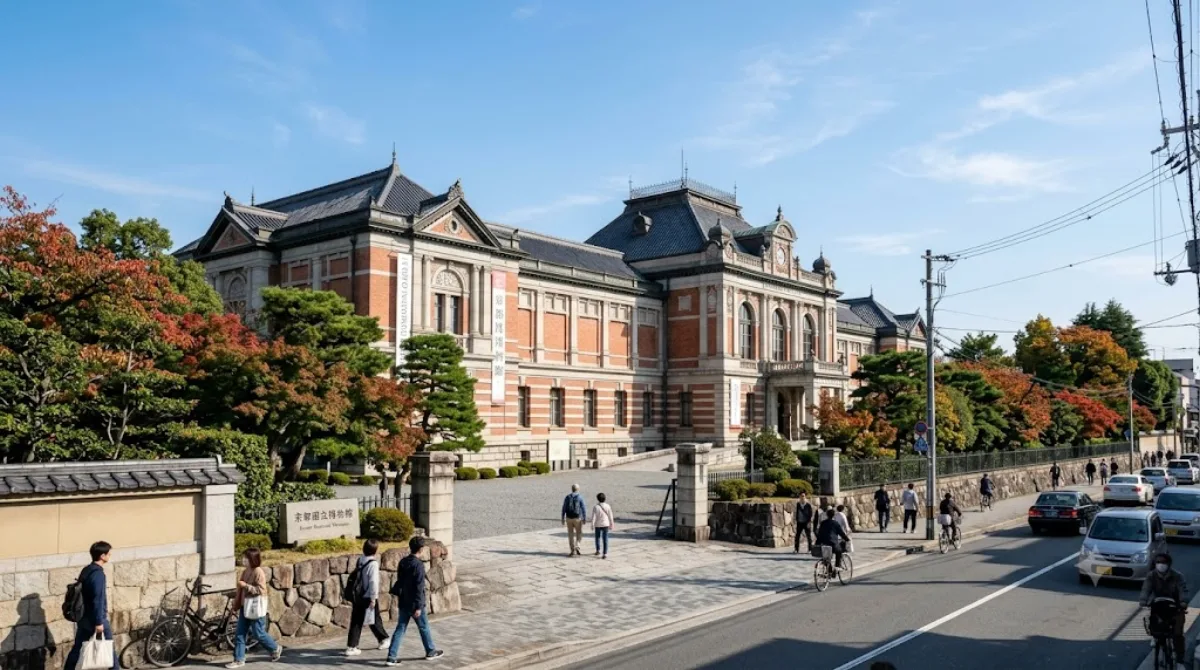
AfternoonKyoto National Museum
Museums & galleries · 1.6 km from the previous stop
The Kyoto National Museum is one of Japan's leading art museums, holding and exhibiting a collection centered on pre-modern Japanese and Asian art. Its wide-ranging holdings—Buddhist sculpture, paintings, ceramics, and crafts passed down from temples and noble families across Kyoto and the Kansai region—make it an ideal stop for travelers wanting an overview of classical Japanese art.
-
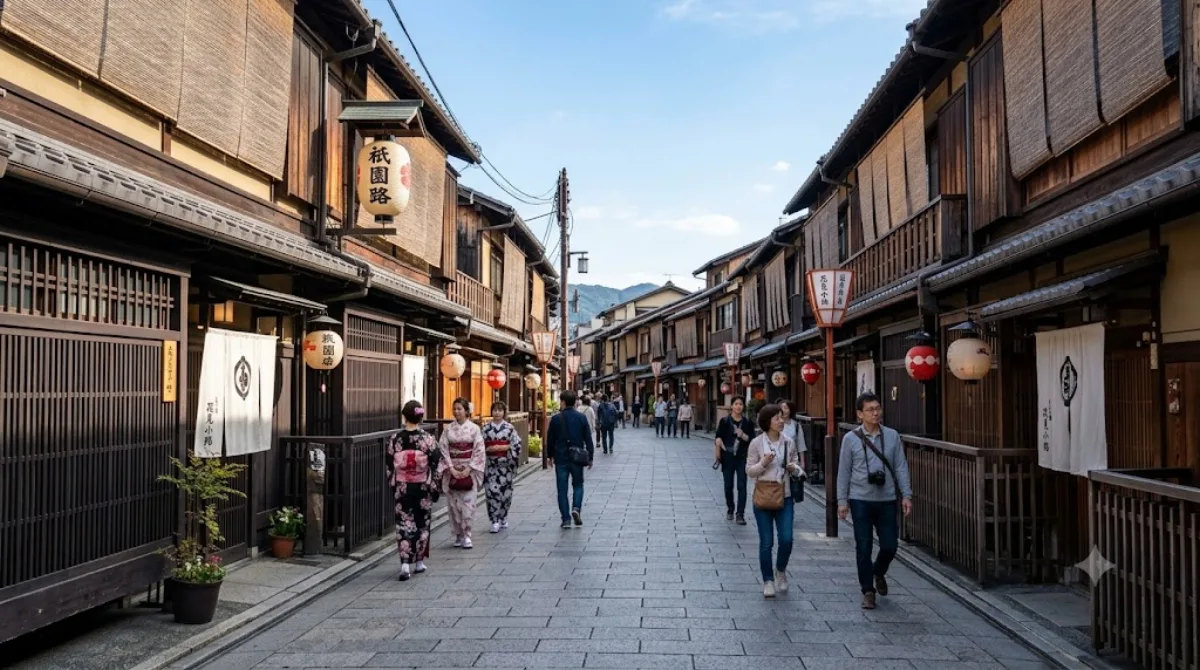
EveningGion
Shopping & districts · 1.5 km from the previous stop
Gion is a district in Kyoto's Higashiyama Ward that originated as an entertainment quarter formed during the Sengoku period to serve pilgrims and travelers visiting Yasaka Shrine. It later grew into one of Japan's foremost geisha (geiko and maiko) districts, and its narrow lanes lined with wooden buildings, traditional teahouses, and exclusive restaurants still preserve that old-world atmosphere.
DAY 2
Around Kinkaku-ji Temple · Temples & religious sites
Directions in Google Maps-
MorningKinkaku-ji Temple
Temples & religious sites
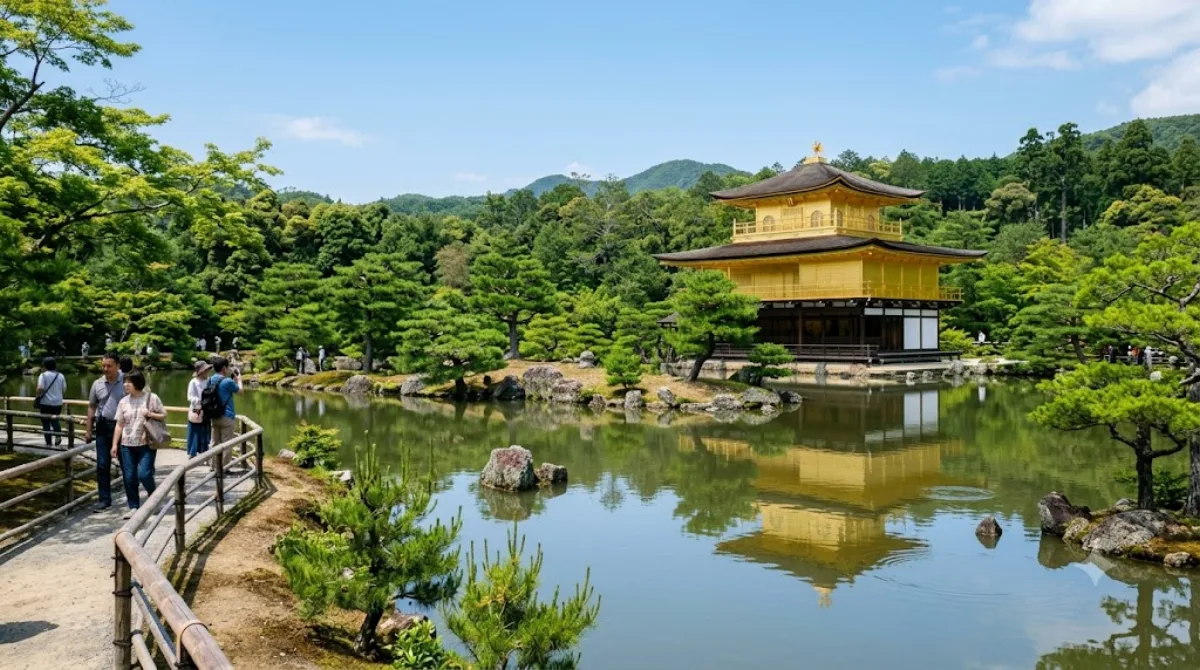
Kinkaku-ji, formally known as Rokuon-ji, is a Rinzai Zen temple whose symbol is the three-story reliquary hall (Shariden) seen across the pond, Kyoko-chi. Its top two floors are covered in gold leaf, which is why it's more commonly called the "Golden Pavilion." The current building is a 1955 reconstruction, and visitors view it and the surrounding garden while walking the path along the pond rather than entering it.
-
After lunchRyōan-ji Temple
Temples & religious sites · 1.1 km from the previous stop
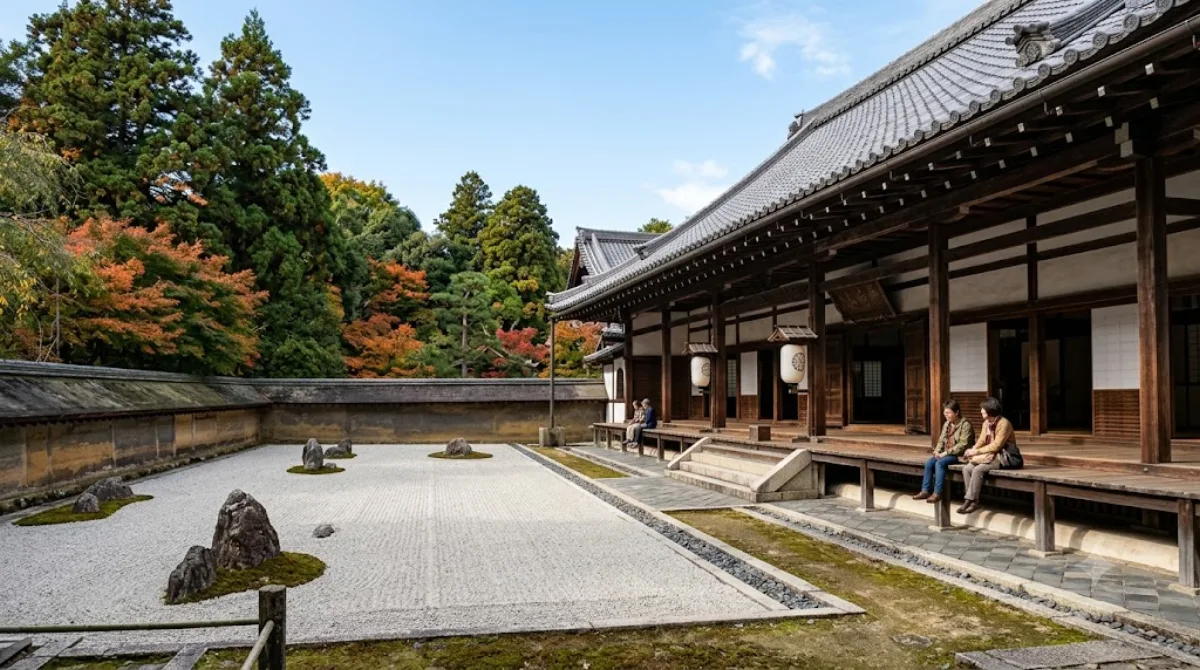
Ryoanji is a Zen temple in northwestern Kyoto belonging to the Rinzai Myoshinji school. Most visitors come for its karesansui (dry landscape) garden, where white gravel is raked into patterns and dotted with rocks of varying sizes.
-
AfternoonNinna-ji Temple
Temples & religious sites · 0.5 km from the previous stop
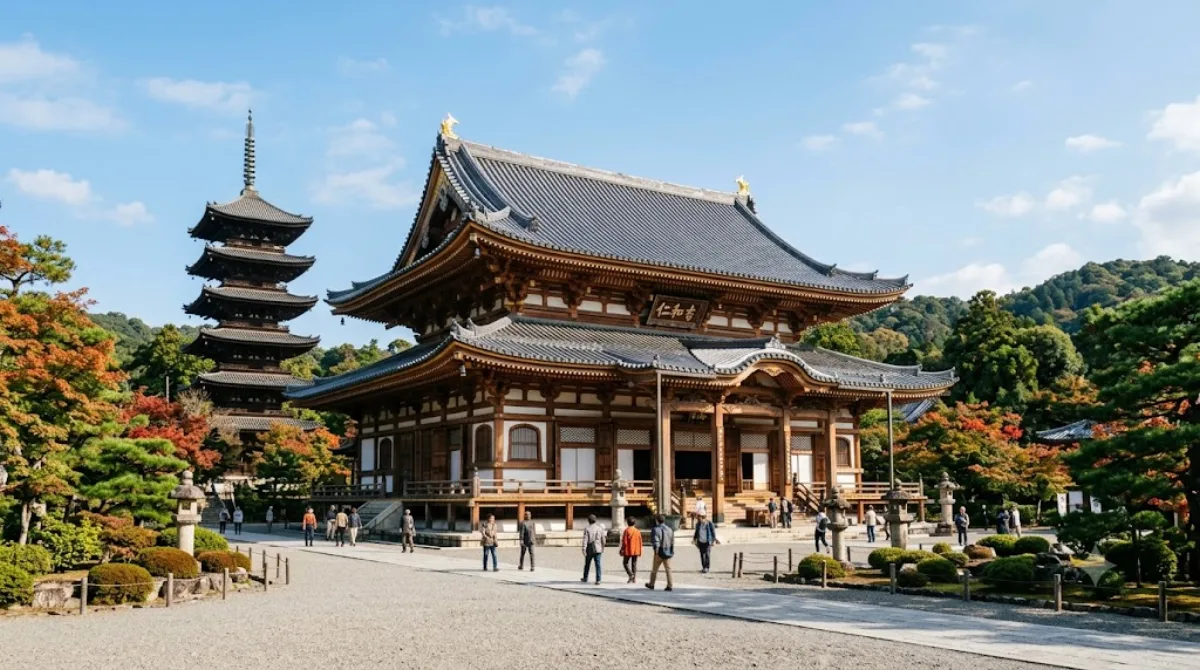
Ninna-ji is the head temple of the Shingon Omuro school, founded in 888 by Emperor Uda and rebuilt in the 17th century. It's part of the UNESCO World Heritage site "Historic Monuments of Ancient Kyoto." Walking through its spacious grounds, which include the main hall and a five-story pagoda, you can sense the atmosphere of a temple that has held close ties with the imperial family since the Heian period.
-
EveningKamigamo Shrine
Temples & religious sites · 4.8 km from the previous stop
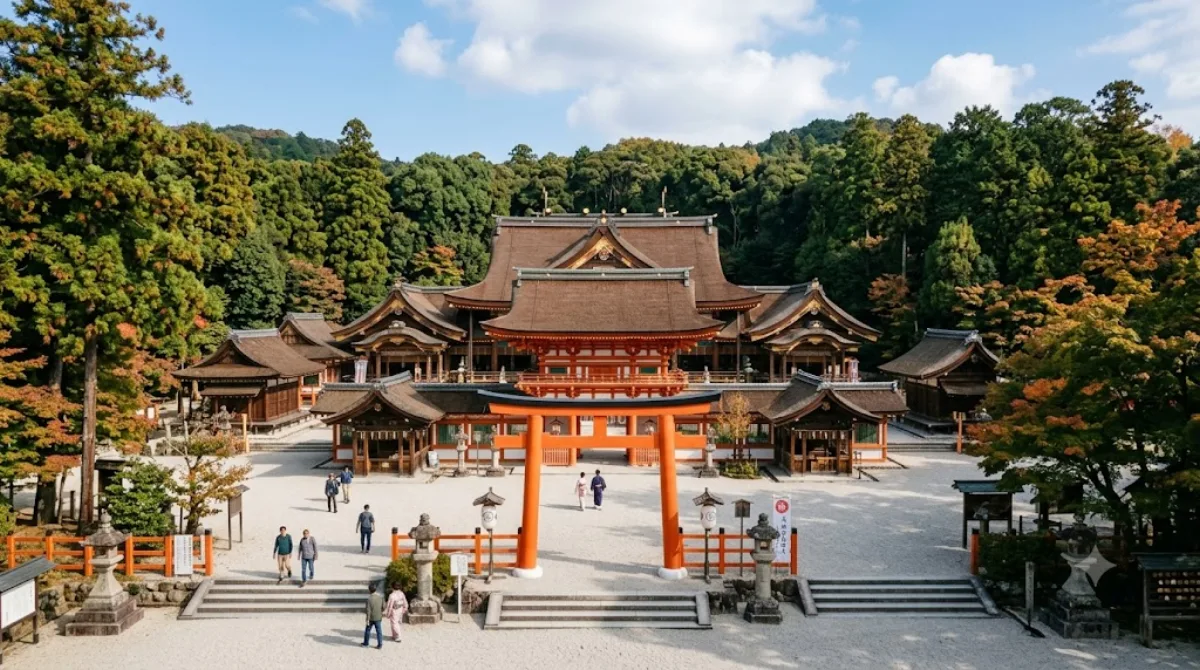
Kamigamo Shrine stands along the Kamo River and is said to have been founded in 678. Its formal name is Kamowakeikazuchi Shrine, and together with Shimogamo Shrine, it is known as a guardian shrine of the Kamo clan, protecting Kyoto as a whole.
DAY 3
Around Fushimi Inari-taisha · Temples & religious sites·Views & landmarks
Directions in Google Maps-
MorningFushimi Inari-taisha
Temples & religious sites
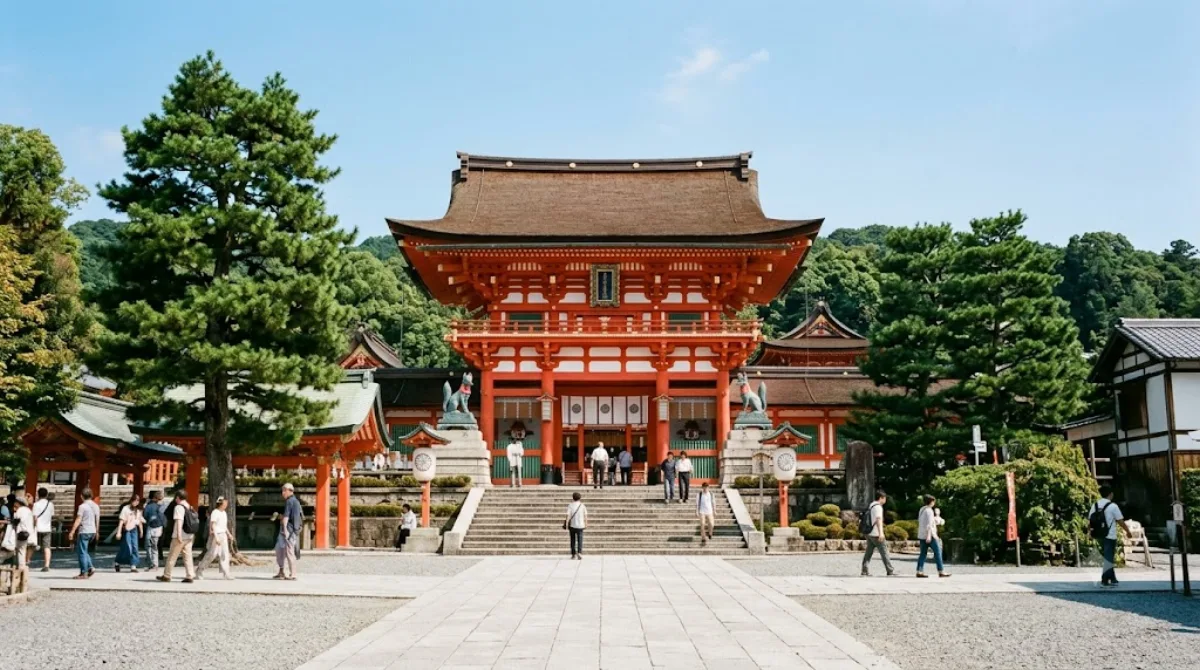
Fushimi Inari Taisha is the head shrine of all Inari shrines across Japan, located at the foot of Mount Inari. The main draw is the Senbon Torii, thousands of vermilion torii gates forming a tunnel along the path that winds up to the summit.
-
After lunchTōfuku-ji Temple
Temples & religious sites · 0.9 km from the previous stop
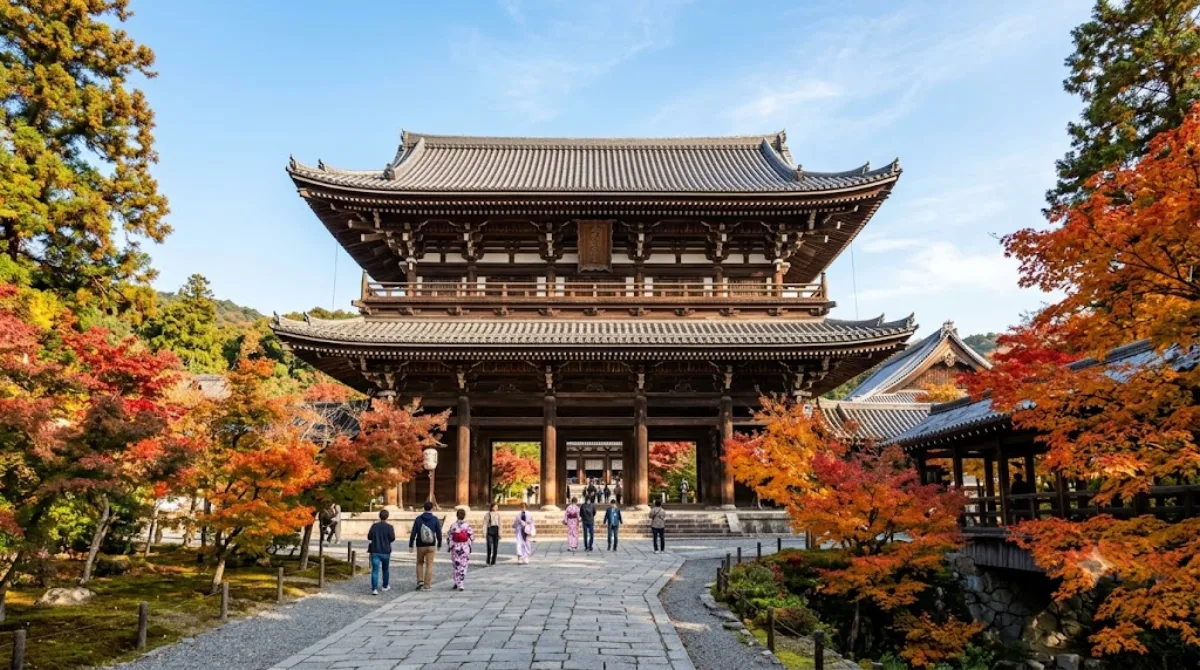
Tofuku-ji is a Rinzai Zen temple in Kyoto's Higashiyama ward and one of the "Kyoto Gozan," the five great Zen temples representing the city. Its name combines one character each from Nara's Todai-ji and Kofuku-ji temples, hinting at its stature and scale.
-
AfternoonSanjūsangen-dō Temple
Temples & religious sites · 1.4 km from the previous stop
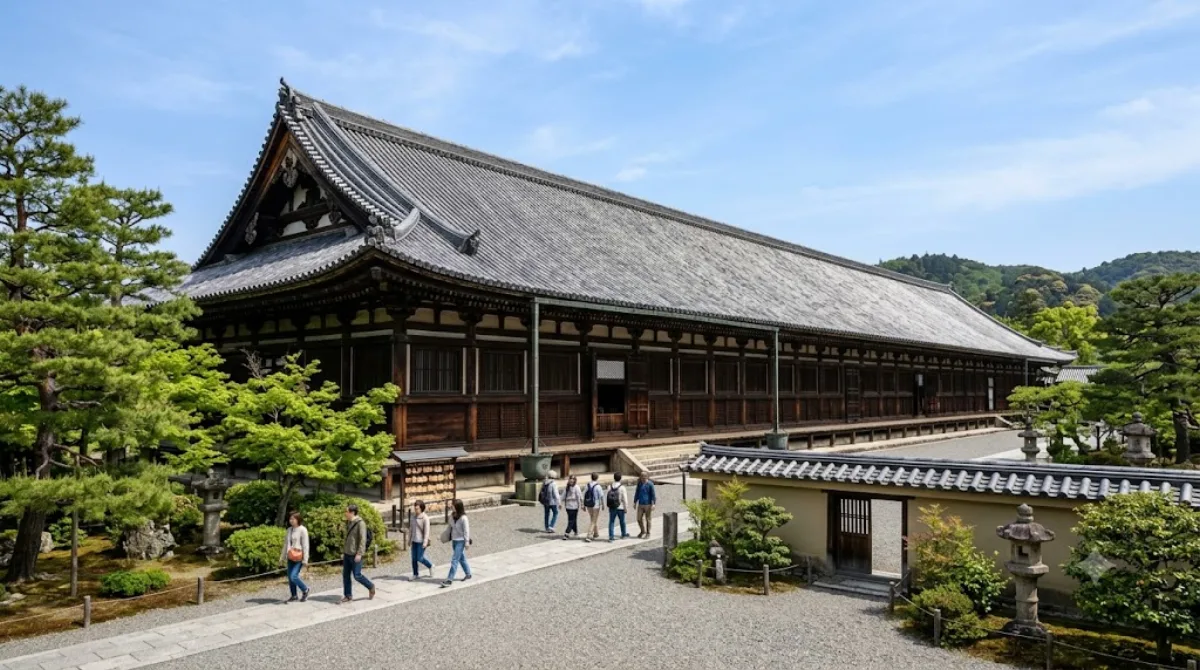
Sanjūsangen-dō is a Tendai Buddhist temple in Kyoto's Higashiyama district, known for the vast rows of Kannon statues lining its main hall. The main draw is the interior itself, a long wooden hall filled with life-size statues that together create a striking space. Because the hall is quite large, it takes some time to walk through it at a leisurely pace.
-
EveningKyoto Tower
Views & landmarks · 1.1 km from the previous stop
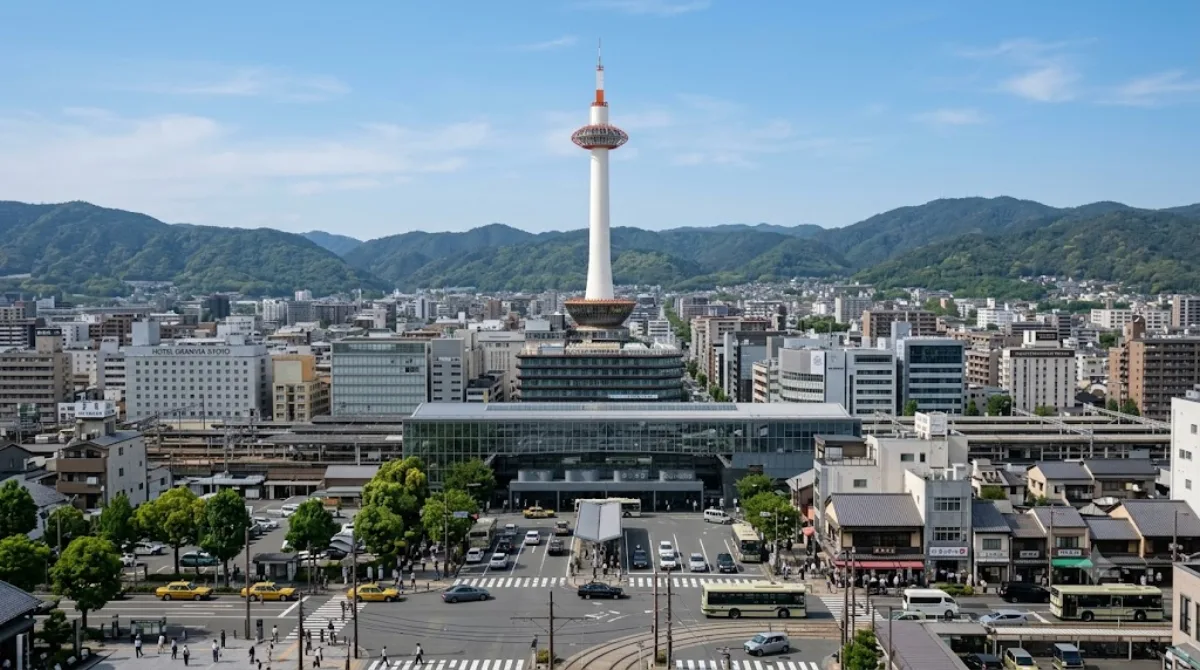
Kyoto Tower is a steel observation tower built atop a nine-story building directly across from Kyoto Station, making it the tallest structure in the city. The observation deck sits at about 100 meters up, offering a sweeping view of Kyoto's cityscape surrounded by mountains on all sides.
Where to stay for this itinerary
Around Kiyomizu-dera Temple, the anchor of day one. Staying here keeps your first day's travel shortest.
-
Banyan Tree Higashiyama Kyoto 5-star
0.4 km · バンヤンツリー・東山 京都
-
清水山荘
0.5 km
-
RC Hotel Kyoto Yasaka
0.6 km · RC HOTEL 京都八坂
-
Hotel Sunday Brunch
1.0 km
-
RESI STAY Gojozaka
1.0 km
-
Six Senses Kyoto 5-star
1.1 km · Kyoto · シックスセンシズ 京都
 Booking.com
 Hotels.com
Check prices and availability on the booking sites.
More stays in Kyoto →Check flights to Kyoto first
Pick a departure airport and date to jump straight to results for Kansai International Airport (KIX).
Check fares and seat availability on the flight search site.
Tours & tickets for this itinerary
Popular sights often sell out on the day. Once your plan is set, secure tickets and tours in advance.
 GetYourGuide
 Klook
Klook
 Tiqets
 KKday
KKday
 WeGoTrip