Heritage & monuments
Cloaca Maxima
Cloaca Maxima
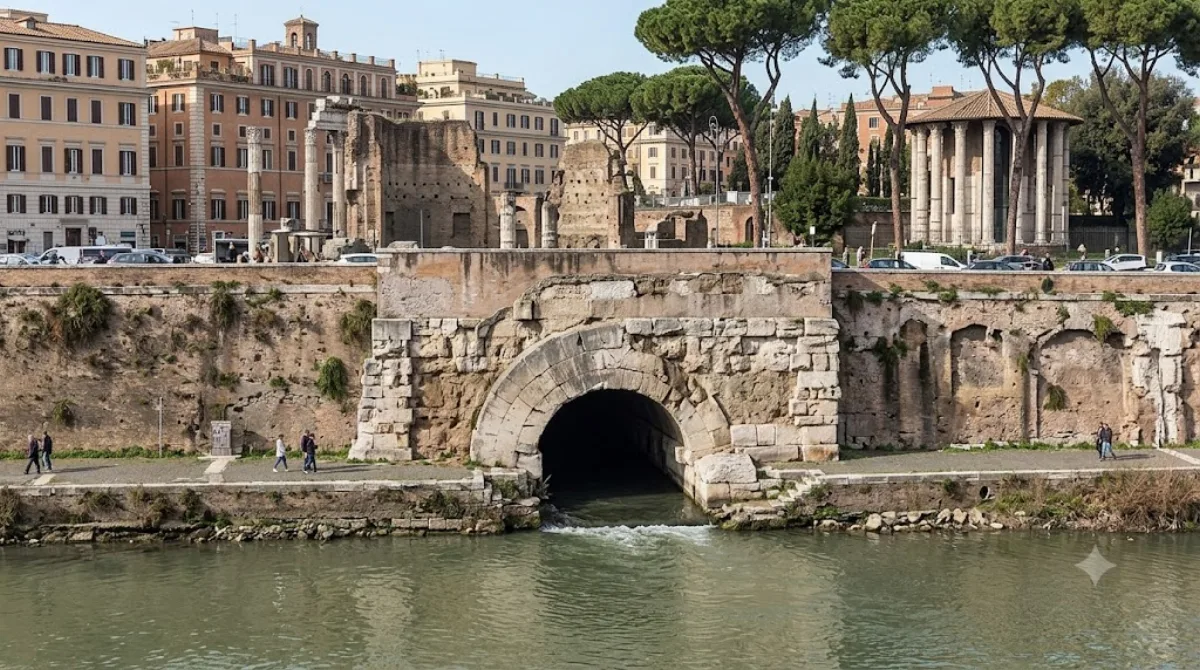
The Cloaca Maxima is one of the earliest large-scale sewage systems in the world, built to drain the marshy ground of the Roman Forum area and carry waste and runoff into the Tiber. Most of it now runs underground beneath the city, but a visible arched outlet can still be seen where it once met the river, near Ponte Rotto and Ponte Palatino. There is no interior visit; travellers come to see the remaining stonework and to understand a piece of infrastructure that shaped how ancient Rome could exist as a dense city on low, flood-prone ground.
Getting there
It sits in the historic centre, a short walk from the Roman Forum and Capitoline Hill. From most central Rome hotels it's reachable on foot in 15-20 minutes, or by bus to the area around Piazza Bocca della Verità.
Time to allow
As an exterior, street-level site, 10-15 minutes is enough to see the visible outlet and read any information panels nearby.
When to go
Because it's an outdoor, unticketed stop, there's no crowding to plan around here. Cooler morning or late-afternoon hours are more comfortable for walking, since this area gets full sun with little shade, especially in summer.
Combine it with
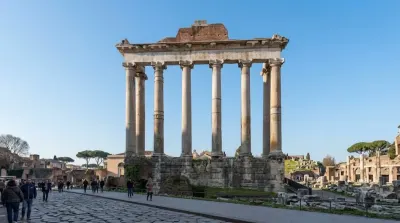
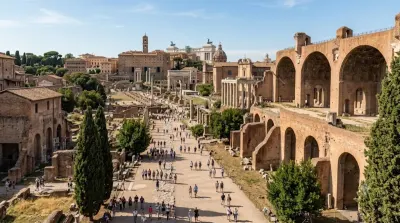
- Temple of Saturn (0.5km) and Roman Forum (0.5km) — natural next stops given the shared ancient-Rome context.
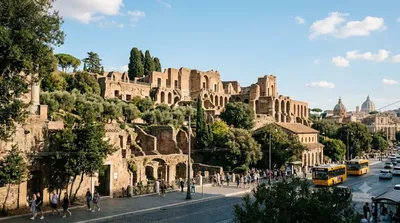
- Palatine Hill (0.6km) — often visited on the same ticket as the Forum.
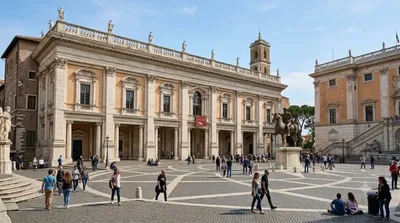
- Capitoline Museums (0.5km) — a good indoor break, useful if the weather turns hot.
Updated September 20, 2026 · Edited by the World by City editors
 GetYourGuide
 Klook
Klook
 Tiqets
 KKday
KKday
 WeGoTrip
 Booking.com
 Hotels.com