Museums & galleries
Palatine Hill
Palatine Hill
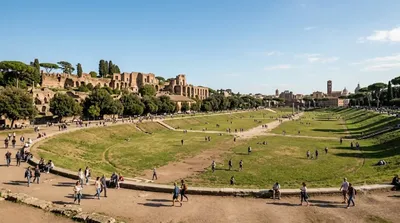
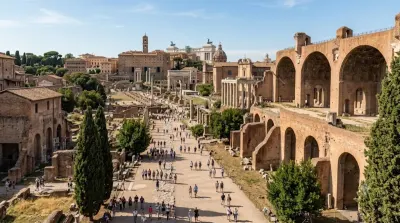
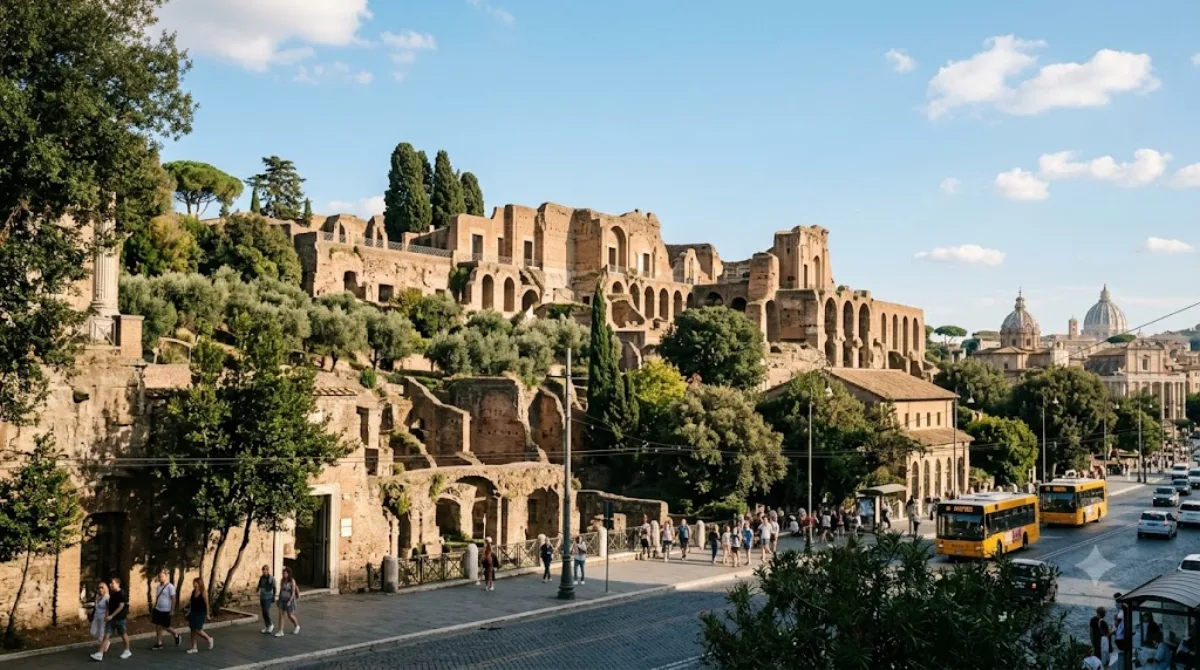
Palatine Hill is the central hill among Rome's seven, and one of the oldest inhabited parts of the city, traditionally linked to the founding of Rome. Today it's an open-air archaeological site with the ruins of imperial palaces, gardens, and terraces overlooking the Roman Forum and Circus Maximus, plus the Palatine Museum, which displays artifacts recovered from the excavations here and from other ancient sites in Italy.
Getting there
The hill sits right beside the Roman Forum and the Colosseum, in the heart of ancient Rome. From the city centre, it's an easy walk from Piazza Venezia (about 15-20 minutes) or a short ride on Metro Line B to Colosseo station, followed by a 5-10 minute walk.
How long to stay
Allow at least 1.5 to 2 hours to walk the grounds and visit the museum. If you're combining it with the Roman Forum, which shares the same site, plan for half a day.
When to go
Arrive early in the morning to avoid both the heat and the crowds, which build up by midday, especially in spring and summer when tour groups from the Colosseum move through. There's little shade, so a hot afternoon visit can be uncomfortable.
Nearby
- Circus Maximus (0.3km) - the ancient chariot-racing stadium below the hill
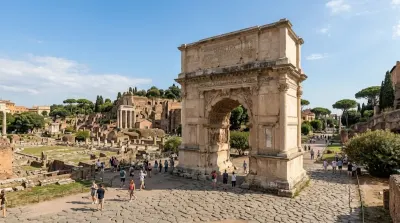
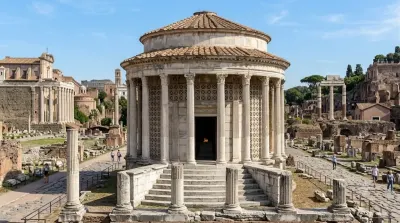
- Arch of Titus (0.3km) and Temple of Vesta (0.4km) - both within the adjoining Roman Forum
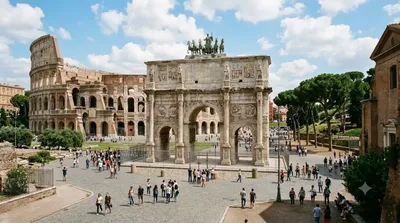
- Arch of Constantine (0.3km) - beside the Colosseum, a natural next stop
Updated September 20, 2026 · Edited by the World by City editors
 GetYourGuide
 Klook
Klook
 Tiqets
 KKday
KKday
 WeGoTrip
 Booking.com
 Hotels.com