World by City

Heritage & monuments

Prasat Kravan
Open in Maps
Prasat Kravan

What It Is

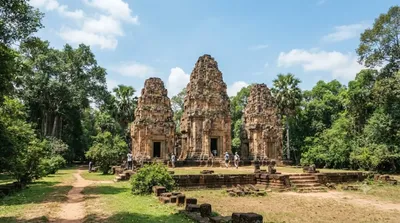
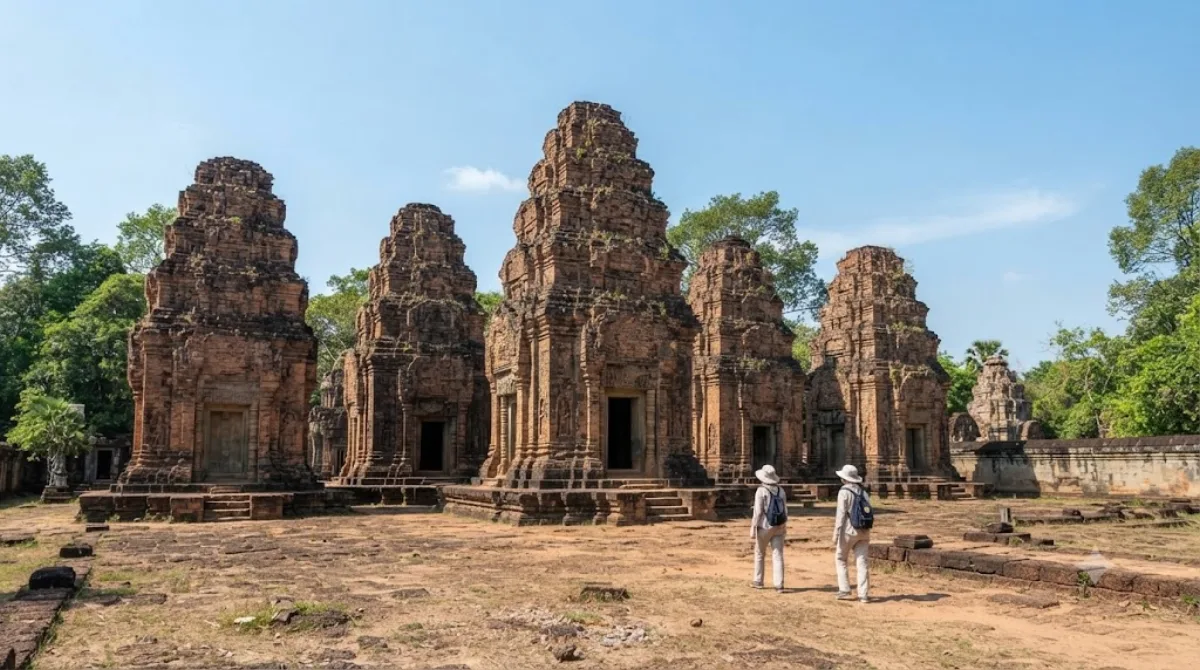
Prasat Kravan is a 10th-century temple dedicated to the Hindu god Vishnu in 921. Situated south of the main Angkor ruins near Srah Srang, the complex consists of five red brick towers arranged in a row on a single terrace. Travelers visit to see the brick masonry and the interior bas-relief carvings of Vishnu sculpted directly into the brick walls.

Getting There

The site is located about 12 kilometers north of downtown Siem Reap. Traveling by tuk-tuk or car from the city center takes approximately 20 to 30 minutes along the primary route leading toward the central archaeological area.

Time to Allow

Plan to spend 20 to 30 minutes on site. The grounds are compact, giving sufficient time to walk around the five towers and step inside the central sanctuaries to view the carvings.

When to Visit

Morning is the best time to visit because the east-facing doorways let in direct sunlight that illuminates the interior wall reliefs. The temple rarely gets heavy crowds, though tour groups make brief stops during the morning. The dry season from November to April offers the easiest walking conditions.

Nearby Attractions

A visit can easily be combined with several nearby historic monuments:

  • Bat Chum (1km)
  • Banteay Kdei (1.1km)
  • Srah Srang (1.5km)
  • Kutisvara (1.6km)

Updated September 8, 2026 · Edited by the World by City editors

Tickets & tours

Admission prices and opening hours change often, so we don't list them here. Check what's on sale and at what price below — booking ahead can cut the queue at some places.

This place may not appear in the results — some sites are free to enter or sell tickets only at the gate.

Stays near Prasat Kravan

Sorted by distance, walkable ones first. Distances are straight-line.

Map and place data © OpenStreetMap contributors

Prasat Kravan Nearby stays

Check prices and availability on the booking sites.

Pick your dates — we'll search Siem Reap hotels for you

Choose dates and guests, and the buttons below will open search results with your criteria. Prices differ between sites, so compare before you book.

Hotel membership

Staying at Accor hotels often? ALL Accor+ Explorer

A paid annual membership. It includes two free nights a year across Asia-Pacific, 30% off dining and 15% off drinks, and 15% off stays at more than 4,500 hotels worldwide.

Explore the membership

Good to visit alongside

Bat Chum

Heritage & monuments

Bat Chum

Bat Chum is a Buddhist temple about 400 meters south of Srah Srang in the Angkor complex, built in the mid-10th century by a minister of the Khmer kingdom. It's a small, quiet temple worth a stop while exploring the Angkor ruins.

1.0 km away

Banteay Kdei

Temples & religious sites

Banteay Kdei

A Buddhist temple within the Angkor complex, built in the Bayon style during the reign of Jayavarman VII in the 12th–13th centuries. Near Ta Prohm, it offers a quiet, unassuming atmosphere steeped in Angkor's old-world charm.

1.1 km away

Srah Srang

Heritage & monuments

Srah Srang

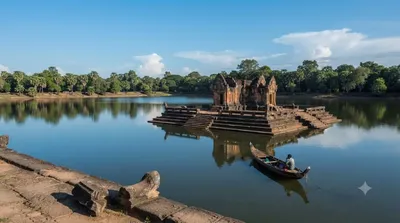
Srah Srang is a reservoir within the Angkor archaeological site in Siem Reap, Cambodia, located east of Banteay Kdei temple. Here you can take in a serene waterside view alongside traces of ancient irrigation works.

1.5 km away

Kutisvara

Heritage & monuments

Kutisvara

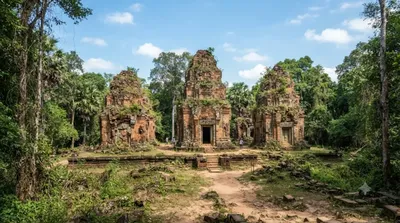
A small brick temple within the Angkor Archaeological Park in Siem Reap, with three towers surviving as ruins. Dedicated to Shiva during the Khmer dynasty, it's worth visiting alongside the surrounding sites.

1.6 km away

Ta Prohm

Heritage & monuments

Ta Prohm

A temple belonging to the Angkor complex in Siem Reap, built as a Buddhist temple by Jayavarman VII in the late 12th century. It was later reportedly converted into a Hindu temple, allowing visitors to trace the site's transformation over time.

2.0 km away

Pre Rup

Heritage & monuments

Pre Rup

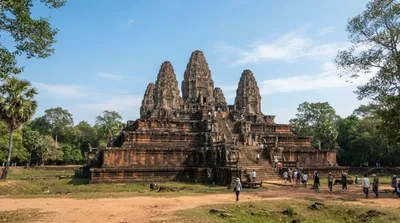
One of the Angkor temples, this is a Hindu temple built by the Khmer king Rajendravarman. Constructed as a temple-mountain from a mix of brick, laterite, and sandstone, it was completed around 961.

2.9 km away