Views & landmarks
Taipei 101
Overview
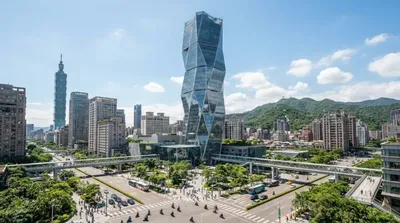
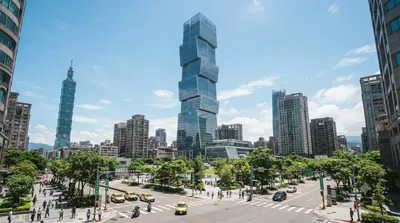
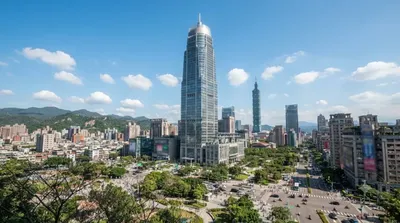
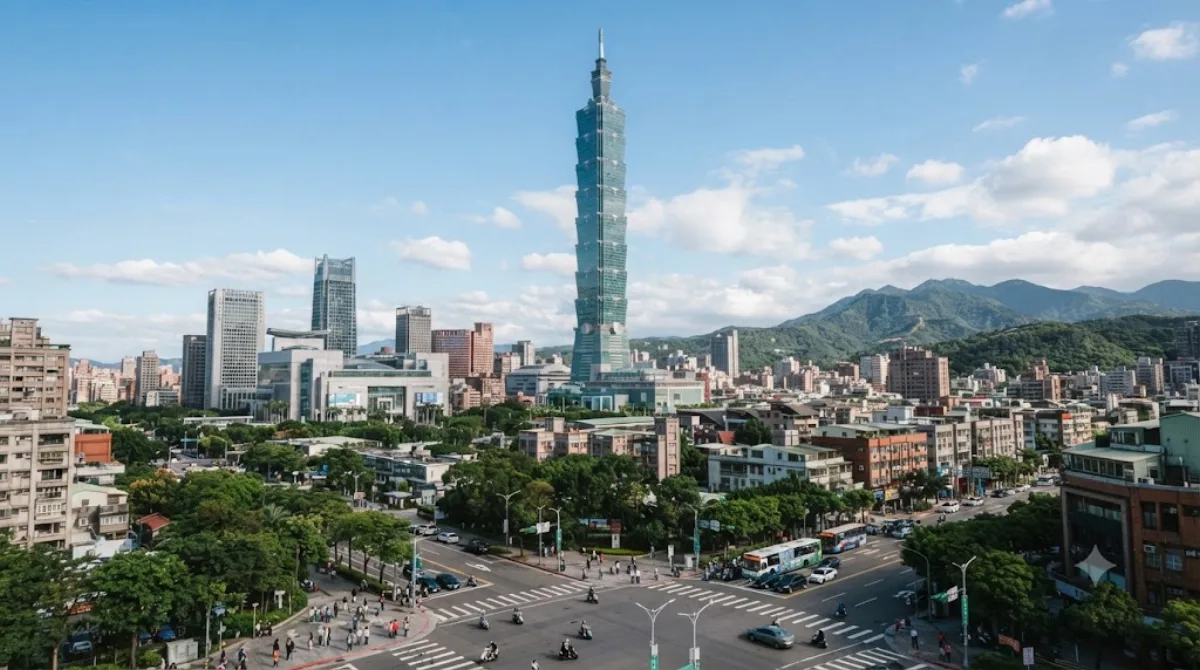
Taipei 101 is a 508-meter, 101-story skyscraper that was the world's tallest building from 2004 until 2009. Travelers go for the observation decks (around the 88th–91st floors), which give an open view over the Xinyi district and the wider Taipei basin, and for the mall and dining floors at the base. The building's tuned mass damper, visible through a window on one of the observation levels, is also a point of interest for visitors.
Getting there
From central Taipei, the building sits in the Xinyi district and is reached directly by MRT (Taipei 101/World Trade Center station on the red line), typically 15–25 minutes from stations like Taipei Main Station or Zhongxiao Fuxing. It's also a straightforward taxi ride from most downtown hotels.
How much time to allow
Plan for around 1.5 to 2.5 hours if you're going up to the observation deck, including time in line for security and elevators. Add extra time if you also want to browse the mall at the base or eat there.
When to go
Late afternoon into early evening lets you see the city in daylight and then after dark, though this is also when it tends to be busiest. Weekends and holidays draw larger crowds than weekday mornings. Clear days give the best visibility for the view; on hazy or overcast days the outlook is more limited.
What to combine it with
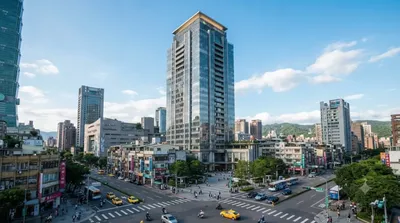
- Taipei Nan Shan Plaza (0.2km) — right next door, an easy add-on before or after.
- The Sky Taipei (0.3km) — a short walk away.
- Farglory Financial Center (0.7km) and Cathay Landmark (0.8km) — both within an easy walk, useful if you're exploring the Xinyi business district further.
Updated September 20, 2026 · Edited by the World by City editors
 GetYourGuide
 Klook
Klook
 Tiqets
 KKday
KKday
 WeGoTrip
 Booking.com
 Hotels.com