
Washington, D.C. · Central & near stations
Where to stay in Washington, D.C. for central access and transit
August 29, 2026 · last updated · about 4 min read
Recommended Central Areas for Transit Access
For travelers prioritizing proximity to public transport and major sights, the following areas are the most strategic:
Penn Quarter and Chinatown
Located in the heart of the city, this area is ideal for first-time visitors. It is highly walkable and sits within easy reach of the National Mall. It suits those who want to minimize commute times to museums and government buildings.
Downtown D.C.
This district serves as the commercial hub. It is best for business travelers or those who prefer being surrounded by corporate offices and high-end dining. It offers the highest density of Metro access points.
Foggy Bottom
Situated near the George Washington University and the State Department, this area is quieter than the city center but remains highly connected. It is a strong choice for those visiting the Kennedy Center or the monuments along the Potomac.
Transport Connectivity and Sightseeing
Washington, D.C. utilizes a hub-and-spoke Metro system. Staying near a station on the Blue, Orange, or Silver lines provides the most direct access to the National Mall and the Smithsonian museums.
- Penn Quarter/Downtown: Direct walking access to the White House and the National Mall.
- Foggy Bottom: Quick transit links to the Lincoln Memorial and the National Mall via the Blue/Orange/Silver lines.
- Airport Access: Travelers arriving at Dulles International Airport (IAD) can use the Silver Line Metro to reach these central districts without needing a taxi.
Booking Considerations for Central Stays
When booking in these high-traffic areas, verify the following:
- Metro Proximity: Confirm the walking distance to the nearest Metro station, as some "central" blocks may still require a significant walk.
- Street Noise: Central areas are prone to sirens and traffic; check for soundproofing or room orientation.
- Construction: D.C. frequently undergoes roadwork; check for active closures around the specific block.
Seasonal Availability
Availability fluctuates significantly based on the calendar. The Cherry Blossom season (late March to early April) sees a massive surge in demand, often leading to limited inventory in central districts. Similarly, dates coinciding with major political events or inaugurations can result in restricted availability and limited transport access due to security closures.
Pick your dates — we'll search Washington, D.C. hotels for you
Choose dates and guests, and the buttons below will open search results with your criteria. Prices differ between sites, so compare before you book.
 View on Booking.com
 View on Hotels.com
Things to see in Washington, D.C.
See all →
Castles & palaces
White House
The official office and residence of the U.S. president, located in the heart of Washington, D.C. Every president since 1800 has lived and worked here, overseeing state affairs and receiving foreign dignitaries.

Heritage & monuments
Washington Monument
A monument on the National Mall in Washington, D.C., standing 170 meters tall. From the observation deck at 153 meters, visitors can take in a sweeping view of the city.
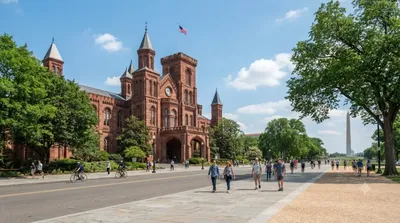
Museums & galleries
Smithsonian Institution
The Smithsonian Institution is a cultural institution in Washington, D.C., founded in 1846 with a bequest from James Smithson. It encompasses numerous museums, galleries, and libraries, offering a wide range of exhibits to explore.
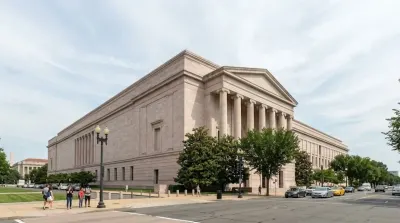
Museums & galleries
National Gallery of Art
The National Gallery of Art is a museum in Washington, D.C. that opened in 1941 with a collection donated by private collectors including Andrew Mellon. It's a favorite among art lovers for its wide range of masterpieces.
More Washington, D.C. guides
Best value
Where to stay in Washington, D.C. for the best value
5-star & luxury
Where to stay for a luxury experience in Washington, D.C.
Pool villas & resorts
Where to find pool villas and resorts in Washington, D.C. and surrounding areas
Family travel
Where to stay in Washington, D.C. for a family trip
Couples & honeymoon
Where to stay in Washington, D.C. for couples and honeymooners
Best time to visit
When is the best time to visit Washington, D.C.?
First-time guide
How to plan your first visit to Washington, D.C.
Getting around
How to get around Washington, D.C.
Central & near stations guides for other destinations
Guantánamo
Where to stay in Guantánamo for central sights and transport connections
Cetinje
Where to stay in Cetinje for central sights and bus connections
North Nicosia
Where to Stay in North Nicosia for Transit and Central Sights
Cienfuegos
Where to Stay in Cienfuegos Near the Bus Station and City Center