
Washington, D.C. · Getting around
How to get around Washington, D.C.
August 29, 2026 · last updated · about 4 min read
Transport Modes in the District
Washington, D.C. is a highly walkable city, particularly within the National Mall area, but larger distances require a mix of transit options.
- WMATA Metrorail: The primary backbone of the city. It is the fastest way to move between major hubs like Union Station, Foggy Bottom, and the National Mall. It wins for reliability and avoiding surface traffic.
- DC Circulator: A bus system with specific routes targeting tourist corridors and neighborhoods. It is ideal for short-distance hops where the Metro stations are too far apart.
- Ride-shares: Useful for late-night travel or reaching residential areas in Northwest D.C. and Virginia, though traffic congestion can make them slower than the Metro during peak hours.
- Biking/Scooters: Effective for navigating the flat terrain of the Mall and the waterfront.
Passes and Ticketing
The SmarTrip card is the universal payment method for Metro and buses. It is available as a physical card or a digital wallet pass.
- Pay-as-you-go: Best for casual visitors who only plan to visit a few museums.
- Stored Value: Recommended for those staying several days to avoid queuing at kiosks.
- Note: These passes do not suit those who rely exclusively on ride-shares or those staying in a single area where walking is sufficient.
From Dulles International Airport (IAD) to City Center
Dulles is located outside the city limits in Virginia. Options include:
- Silver Line Metro: The most cost-effective and predictable option. It takes longer than a car but avoids traffic.
- Ride-share/Taxi: The lowest effort for those with heavy luggage, though costs are higher and travel time varies by traffic.
- Airport Express Bus: A middle-ground option providing direct access to downtown hubs.
Practical Transit Notes
- Rush Hours: Expect heavy congestion on the Metro and roads from 7:00 AM to 9:00 AM and 4:00 PM to 6:30 PM.
- Last Services: Metro trains generally run until midnight or 1:00 AM, with extended hours on Friday and Saturday.
- Accessibility: The Metrorail system is largely ADA compliant with elevators at most stations, though some older elevators may be out of service.
- Luggage: Large suitcases are permitted on the Metro, but avoid peak commute hours to ensure space.
Pick your dates — we'll search Washington, D.C. hotels for you
Choose dates and guests, and the buttons below will open search results with your criteria. Prices differ between sites, so compare before you book.
 View on Booking.com
 View on Hotels.com
Things to see in Washington, D.C.
See all →
Castles & palaces
White House
The official office and residence of the U.S. president, located in the heart of Washington, D.C. Every president since 1800 has lived and worked here, overseeing state affairs and receiving foreign dignitaries.

Heritage & monuments
Washington Monument
A monument on the National Mall in Washington, D.C., standing 170 meters tall. From the observation deck at 153 meters, visitors can take in a sweeping view of the city.

Museums & galleries
Smithsonian Institution
The Smithsonian Institution is a cultural institution in Washington, D.C., founded in 1846 with a bequest from James Smithson. It encompasses numerous museums, galleries, and libraries, offering a wide range of exhibits to explore.
Museums & galleries
National Gallery of Art
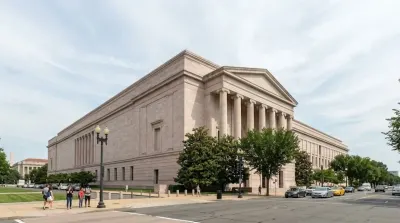
The National Gallery of Art is a museum in Washington, D.C. that opened in 1941 with a collection donated by private collectors including Andrew Mellon. It's a favorite among art lovers for its wide range of masterpieces.
More Washington, D.C. guides
Best value
Where to stay in Washington, D.C. for the best value
5-star & luxury
Where to stay for a luxury experience in Washington, D.C.
Pool villas & resorts
Where to find pool villas and resorts in Washington, D.C. and surrounding areas
Family travel
Where to stay in Washington, D.C. for a family trip
Couples & honeymoon
Where to stay in Washington, D.C. for couples and honeymooners
Central & near stations
Where to stay in Washington, D.C. for central access and transit
Best time to visit
When is the best time to visit Washington, D.C.?
First-time guide
How to plan your first visit to Washington, D.C.
Getting around guides for other destinations
Guantánamo
How to Get Around Guantánamo and Travel from Antonio Maceo Airport
Cetinje
How to Get Around Cetinje and Travel from Podgorica Airport
North Nicosia
How to get around North Nicosia and travel from Larnaca Airport
Cienfuegos
How to get around Cienfuegos: transport options and airport transfers