Tempel & Sakralbauten
Kōzan-ji
Kōzan-ji Temple
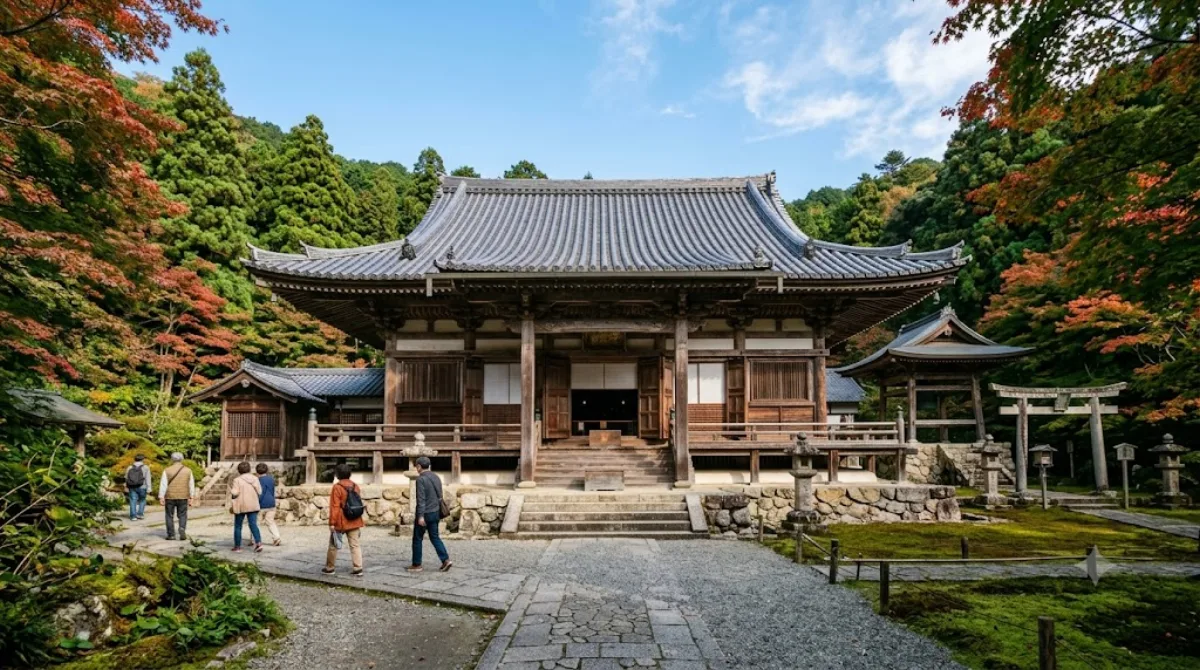
Kōzan-ji Tempel
Der Kōzan-ji ist ein buddhistischer Tempel der Shingon-Omuro-Schule im Bezirk Ukyo in Kyoto. Er wurde vom Mönch Myōe in der Kamakura-Zeit gegründet. Der Ort ist vor allem für die Choju-jinbutsu-giga bekannt, eine Serie von Tuscherollen, die Menschen und Tiere als Karikaturen darstellen. Da sich die Originale in Museen wie dem Tokyo National Museum befinden, werden auf dem Tempelgelände Repliken ausgestellt.
Anreise und Zeitplanung
Vom Stadtzentrum Kyotos aus ist der Tempel am besten mit einer Kombination aus Bus und Fußweg zu erreichen. Die Fahrtzeit beträgt je nach Startpunkt und Verkehr etwa 45 bis 60 Minuten. Für den Besuch des Geländes und die Besichtigung der Ausstellungen sollten etwa 1,5 bis 2 Stunden eingeplant werden.
Besucherinformationen
Der Tempel liegt in einer waldreichen Gegend, weshalb er besonders im Herbst während der Laubfärbung besucht wird. Zu dieser Zeit ist mit einem höheren Besucheraufkommen zu rechnen. In den frühen Morgenstunden ist es in der Regel ruhiger.
Kombinationsmöglichkeiten
Aufgrund der Lage im Westen der Stadt lässt sich der Besuch mit anderen bedeutenden Tempeln kombinieren. In der näheren Umgebung befinden sich:
- Ninna-ji Tempel (4,6 km)
- Ryōan-ji Tempel (4,6 km)
- Tenryū-ji Tempel (4,9 km)
- Kinkaku-ji Tempel (5,1 km)
Aktualisiert 20. September 2026 · Redaktion die World by City-Redaktion
 GetYourGuide
 Klook
Klook
 Tiqets
 KKday
KKday
 WeGoTrip
 Booking.com
 Hotels.com