
Mumbai · Getting around
How to navigate public transport and taxis in Mumbai
August 29, 2026 · last updated · about 3 min read
Primary Modes of Transport
Mumbai's transport network is dense and varies significantly by zone. Choosing the right mode depends on your destination and the time of day.
- Local Trains: The backbone of the city. They are the fastest way to travel north-south (Western and Central lines). Use these for long distances across the city, but avoid them during peak hours.
- Auto Rickshaws: Available only in the suburbs (north of Bandra and Kurla). They are ideal for short, last-mile trips and narrow streets.
- Kaali-Peeli Taxis: The iconic black-and-yellow cabs found throughout the city, including South Mumbai where rickshaws are banned.
- Ride-Hailing Apps: Uber and Ola are widely used for air-conditioned comfort and transparent pricing, especially for those unfamiliar with local fare structures.
Airport to City Center
From Chhatrapati Shivaji Maharaj International Airport (BOM), travelers have several options:
- App-based Cabs: Moderate effort and cost. Offers door-to-door service and air conditioning.
- Prepaid Taxis: Low effort. Available at designated kiosks in the arrivals hall to avoid negotiation.
- Private Transfers: High cost, lowest effort. Best for those with heavy luggage or large groups.
Practical Travel Notes
Rush Hours: Avoid the local trains between 08:00-11:00 and 17:00-20:00. The crowds can be extreme and potentially hazardous for tourists.
Luggage: Large suitcases are impractical on local trains and rickshaws. Use app-based cars for airport transfers and hotel moves.
Accessibility: Most public transport, including older taxis and trains, has limited accessibility for wheelchairs or strollers. App-based premium cars provide the most reliable accessible options.
Ticketing: For trains, use the UTS mobile app to avoid long physical queues at ticket windows.
Pick your dates — we'll search Mumbai hotels for you
Choose dates and guests, and the buttons below will open search results with your criteria. Prices differ between sites, so compare before you book.
 View on Booking.com
 View on Hotels.com
Things to see in Mumbai
See all →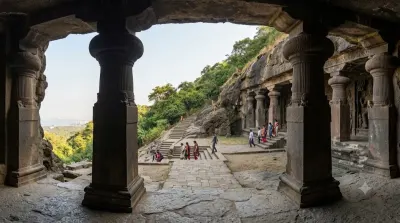
Nature
Elephanta Caves
A rock-cut cave temple on Elephanta Island off the coast of Mumbai, known as a center of Shiva worship. Visitors can explore ancient sculptures that were designated a UNESCO World Heritage Site in 1987.
Nature
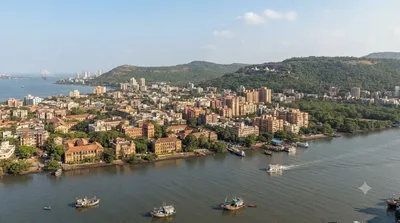
Salsette
An island in Maharashtra, India, home to the city of Mumbai. It has a distinctive landscape, with the city visible across the water.
Nature
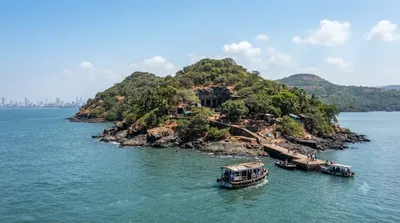
Elephanta Island
A small island off the coast of Mumbai, reachable by boat, home to Hindu cave temples carved into the rock. Its sculptures depicting Shiva and scenes from the Ramayana offer a great look at ancient art.
Nature
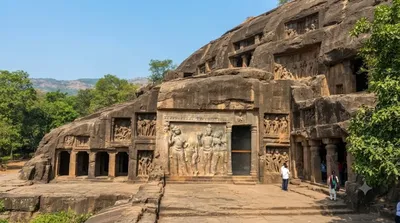
Kanheri Caves
The largest cave Buddhist monastery in western India, located within Sanjay Gandhi National Park north of Mumbai. Its 109 caves, carved between the 2nd and 8th centuries, hold Buddha statues, stupas, and other sculptures worth admiring.
More Mumbai guides
Best value
Where to stay in Mumbai for the best value
5-star & luxury
Where to stay in Mumbai for a luxury experience
Pool villas & resorts
Where to find pool villas and resorts in Mumbai
Family travel
Where to choose the best area for a family stay in Mumbai
Couples & honeymoon
Where to stay in Mumbai for couples and honeymooners
Central & near stations
Where to stay in Mumbai for central access and transport connectivity
Best time to visit
When is the best time to visit Mumbai, India?
First-time guide
How to navigate Mumbai for the first time
Getting around guides for other destinations
Guantánamo
How to Get Around Guantánamo and Travel from Antonio Maceo Airport
Cetinje
How to Get Around Cetinje and Travel from Podgorica Airport
North Nicosia
How to get around North Nicosia and travel from Larnaca Airport
Cienfuegos
How to get around Cienfuegos: transport options and airport transfers