Temples & religious sites
Meiji Jingū
What it is
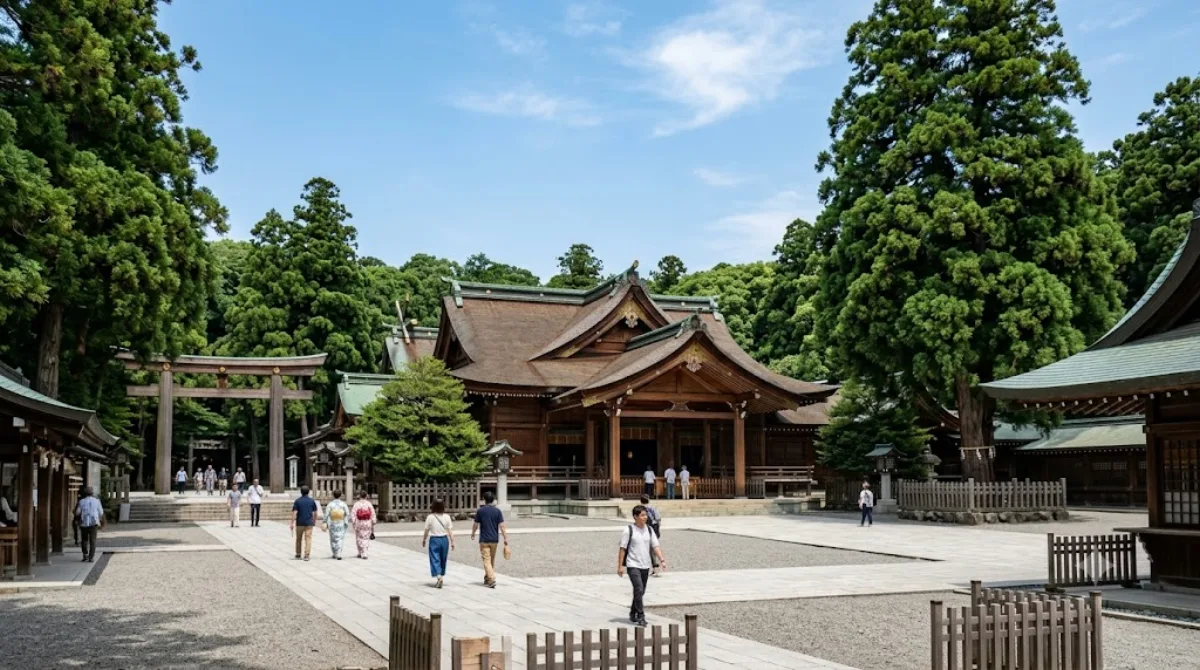
Meiji Jingū is a Shinto shrine dedicated to Emperor Meiji and Empress Shōken, set inside a large forested precinct rather than a small temple compound. The approach walk under the torii gates, through tall trees planted when the shrine was built, is as much the experience as the shrine buildings themselves. It's an active site of worship, so you'll see traditional weddings and everyday visitors making offerings alongside sightseers.
Getting there
The shrine sits right by Harajuku and Yoyogi stations, both a short train ride from central Tokyo hubs like Shinjuku or Shibuya (around 5-10 minutes by train). From either station it's a few minutes on foot to the entrance gates.
How long to spend
Allow at least an hour to walk in through the forest path, see the main shrine buildings, and walk back out. If you also want to see the Meiji Jingu Gyoen inner garden or linger at the sake and wine barrel displays along the approach, budget closer to two hours.
When to go
Mornings tend to be quieter and cooler for the walk through the woods. Weekends, especially when weddings are taking place, and Japanese holidays draw larger crowds, so a weekday visit is more relaxed. The forested paths offer good shade in summer.
Combine it with
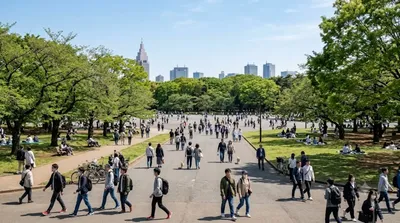
- Yoyogi Park (0.5km) - adjoins the shrine grounds, an easy add-on for a walk or rest afterward.
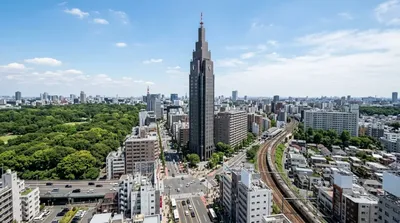
- NTT Docomo Yoyogi Building (1km) - visible from the park area if you want a look at the tower.
- Omotesandō (1.7km) - walkable for shopping and cafés after the shrine.
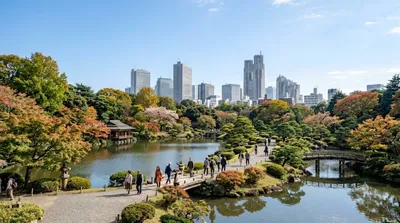
- Shinjuku Gyoen (1.6km) - another green space worth pairing if you enjoy the forest setting here.
Updated September 20, 2026 · Edited by the World by City editors
 GetYourGuide
 Klook
Klook
 Tiqets
 KKday
KKday
 WeGoTrip
 Booking.com
 Hotels.com