
 Japan
Japan
Tokyo
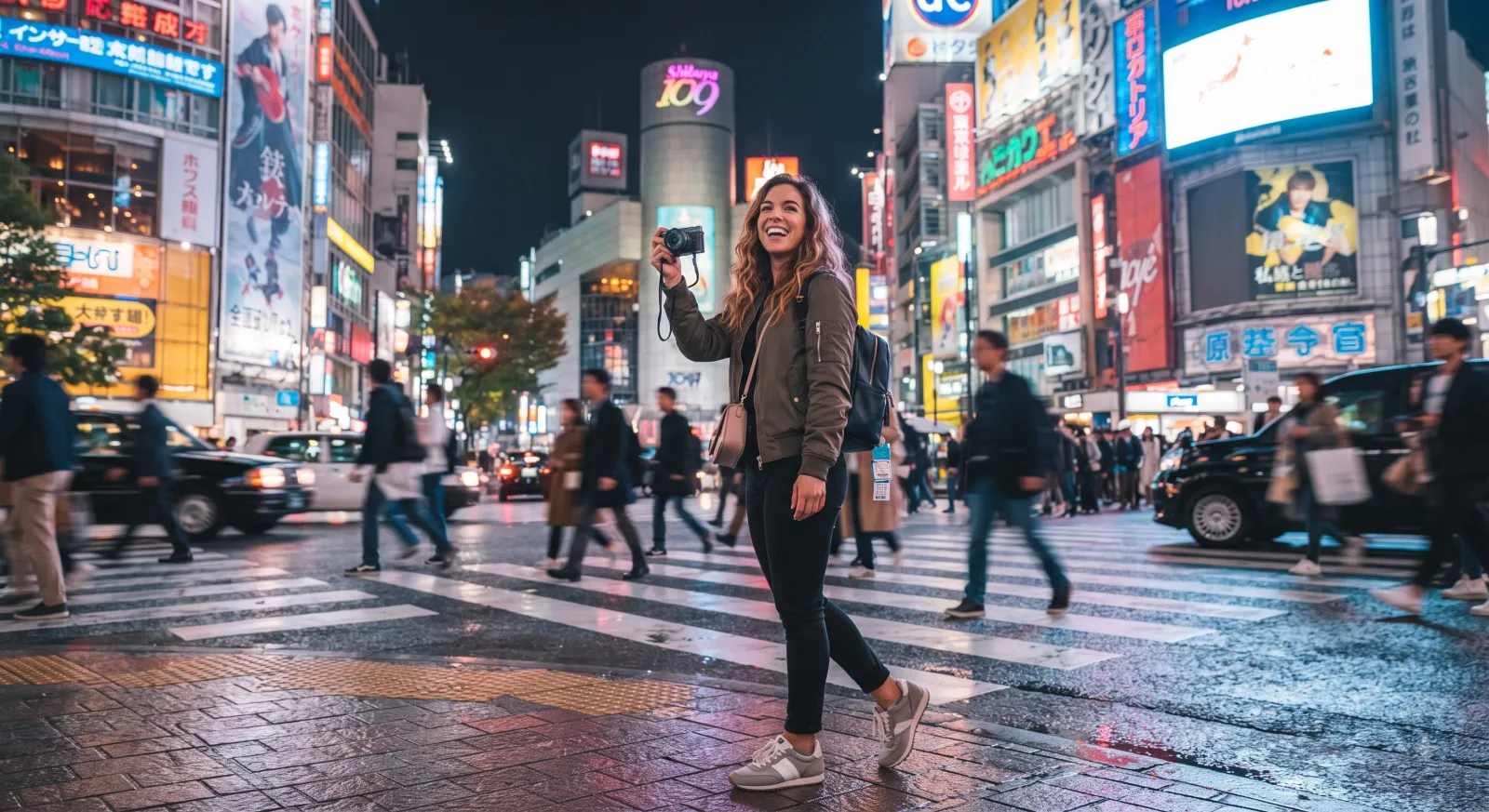
Each district feels like a different city. Where you stay shapes the trip more than in most places, and the rail network reaches almost everything.
Updated August 15, 2026 · Edited by the World by City editors
- Gateway airport
- Narita (NRT) & Haneda (HND)
- Best season
- Mar–May, Oct–Nov
- Time zone
- Asia/Tokyo
- Sights covered
- 40 places
Sights worth seeing
See all 40 →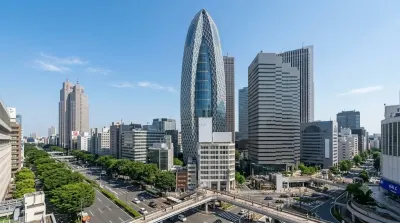
Views & landmarks
Mode Gakuen Cocoon Tower
This 50-story, 204-meter tower in Nishi-Shinjuku is actually an educational facility housing vocational schools for fashion, medicine, and IT. Its distinctive cocoon-shaped exterior makes it hard to miss while walking through Shinjuku's western skyscraper district; since it's a working school, the main draw is admiring and photographing its facade and night view from the street rather than going inside.
Views & landmarks
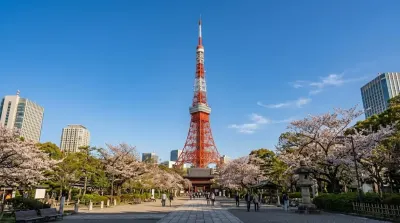
Tokyo Tower
Tokyo Tower is a communications and observation tower in Shiba Park, Minato Ward, completed in 1958. At 332.9 meters, it was Japan's tallest tower until Tokyo Skytree was built in 2012. Its lattice structure was inspired by the Eiffel Tower, and it is painted white and international orange in accordance with aviation safety regulations.
Shopping & districts
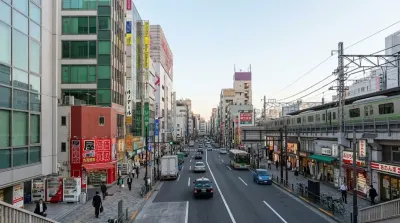
Akihabara
Akihabara is an electronics district in Tokyo's Chiyoda Ward and a hub of anime and gaming culture. Around Akihabara Station, large electronics stores, figure and merchandise shops, used game stores, and maid cafés cluster together, drawing travelers who want to browse the latest gadgets or shop for anime and manga goods.
Museums & galleries
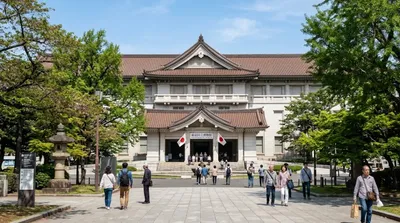
Tokyo National Museum
The Tokyo National Museum, located in Ueno Park, is Japan's oldest national museum and also its largest art museum. Its collection centers on ancient and medieval Japanese art along with Asian art that traveled the Silk Road, including a substantial number of Greco-Buddhist sculptures and artifacts from regions such as Gandhara.
Nature
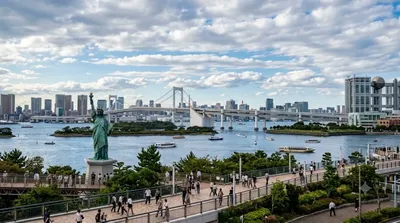
Odaiba
Odaiba is an artificial island in Tokyo Bay that once held defensive gun batteries in the 1850s. Land reclamation greatly expanded it in the late 20th century, and redevelopment in the 1990s as a commercial, residential, and leisure district gave it its present-day form.
Castles & palaces
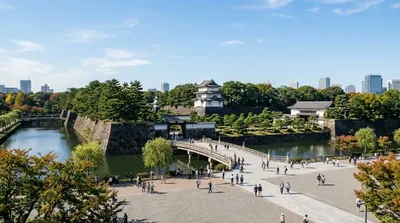
Tokyo Imperial Palace
The Imperial Palace is the residence of Japan's Emperor, occupying a vast green expanse in the heart of Chiyoda Ward. The grounds contain the Fukiage Palace, where the imperial family actually lives, the main hall used for ceremonies and events, and various imperial facilities and archives, though most of it is closed to the public.
Shopping & districts
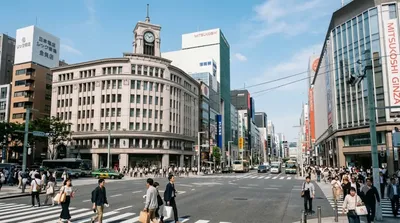
Ginza
Ginza is an upscale shopping district in Tokyo's Chuo Ward, packed with department stores, international luxury brand boutiques, restaurants, and cafés. Rather than visiting for a single landmark, people come here to stroll, window-shop, and enjoy a meal or coffee.
Parks & gardens
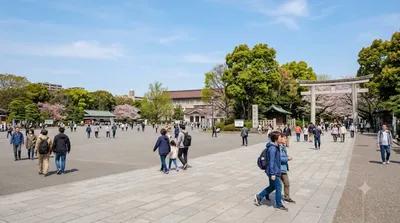
Ueno Imperial Grant Park
Ueno Park was created in 1873 on part of the grounds of Kaneiji Temple, making it one of Japan's earliest public parks, built under the Western-style park system introduced in the early modern era. Within its sprawling greenery are the National Museum of Western Art, the Tokyo Metropolitan Art Museum, the National Museum of Nature and Science, and Ueno Zoo, drawing many visitors who want to combine a stroll with museum-going.
How many days do you need?
Routes grouped by travel distance so each day stays comfortable.
Average temperature by month
5-year average
Getting there
Check flights to Tokyo first
Pick a departure airport and date to jump straight to results for Narita (NRT) & Haneda (HND).
Check fares and seat availability on the flight search site.
Getting around the city
What you will actually use to get around Tokyo, and whether you need a car.
- Metro & rail
- Tokyo Metro and Toei are separate operators, so transferring between them costs extra. The JR Yamanote Line loops around the main districts.
- Buses & trams
- Dense but rarely needed by visitors — the rail network reaches almost everything.
- Transit cards & payment
- Suica or PASMO. Mobile Suica makes topping up easier.
- Airport to city
- From Narita: Skyliner, Narita Express or limousine bus. From Haneda: Keikyu Line or Tokyo Monorail. Haneda is far closer to the city.
- Car rental
- Not recommended in Tokyo — parking and traffic outweigh the benefit, and rail is faster. Only worth it for trips out to Hakone or Mt. Fuji.
Book transport
Fares and timetables change often, so we don't list them here. Check the operator or the booking site for current prices and schedules.
Getting to other cities
Useful when you're combining several cities. Times are approximate; fares and timetables change often, so we don't list them.
Transit options connecting Tokyo and Kyoto.
- Shinkansen (High-Speed Rail) · approx. 2 hrs 15 mins Convenient transit between the two cities. Please check official booking sites for current schedules.
- Express Bus · approx. 7~8 hrs Convenient transit between the two cities. Please check official booking sites for current schedules.
- Flight · total approx. 4~5 hrs(incl. airport transfer) Convenient transit between the two cities. Please check official booking sites for current schedules.
- Car / Drive · approx. 6 hrs Convenient transit between the two cities. Please check official booking sites for current schedules.
Transit options connecting Osaka and Tokyo.
- Train (Shinkansen) · approx. 2 hrs 30 mins Convenient transit between the two cities. Please check official booking sites for current schedules.
- Flight · flight approx. approx. 1 hrs, incl. airport transfer to 3~4 hrs Convenient transit between the two cities. Please check official booking sites for current schedules.
- Express Bus (incl. Night Bus) · approx. 8~9 hrs Convenient transit between the two cities. Please check official booking sites for current schedules.
- Car / Drive · approx. 6~8 hrs Convenient transit between the two cities. Please check official booking sites for current schedules.
Transit options connecting Tokyo and Sapporo.
- Flight · flight hrs approx. 1 hrs 30 mins, incl. airport transfer total approx. 3~4 hrs Convenient transit between the two cities. Please check official booking sites for current schedules.
- Train · approx. 5~6 hrs Convenient transit between the two cities. Please check official booking sites for current schedules.
- Ferry · approx. 15~18 hrs(1 night) Convenient transit between the two cities. Please check official booking sites for current schedules.
Transit options connecting Tokyo and Fukuoka.
- Flight · flight approx. approx. 2 hrs, incl. airport transfer door-to-door approx. 3~4 hrs Convenient transit between the two cities. Please check official booking sites for current schedules.
- Shinkansen · approx. 5 hrs Convenient transit between the two cities. Please check official booking sites for current schedules.
- Express / Night Bus · approx. 9~10 hrs Convenient transit between the two cities. Please check official booking sites for current schedules.
Tokyo Tours & Experiences Booking
Book local tours, tickets, and experiences in advance to enjoy without waiting. Check available products and prices now.
 GetYourGuide
 Klook
Klook
 Tiqets
 KKday
KKday
 WeGoTrip
Check prices and availability on the booking sites.
 Airalo
 Yesim
Yesim
 Saily
Saily
 Drimsim
Where to stay
See all stays →Pick your dates — we'll search Tokyo hotels for you
Choose dates and guests, and the buttons below will open search results with your criteria. Prices differ between sites, so compare before you book.
 View on Booking.com
 View on Hotels.com
Hotel membership
Staying at Accor hotels often? ALL Accor+ Explorer
A paid annual membership. It includes two free nights a year across Asia-Pacific, 30% off dining and 15% off drinks, and 15% off stays at more than 4,500 hotels worldwide.
Explore the membership
Visit stories: Tokyo
See all →
Have you been to this city?
Share your visit story with photos you took yourself. Once checked, it goes into the Magazine.
Guides by theme
Best value
Where should you stay in Tokyo for the best value without losing convenience?
Read guide →
5-star & luxury
Which Tokyo neighborhood should you choose for a five-star hotel stay?
Read guide →
Pool villas & resorts
Where should you stay in Tokyo for a resort or pool hotel trip?
Read guide →
Family travel
Which Tokyo neighborhood should you stay in for a family trip?
Read guide →
Couples & honeymoon
Where Should Couples Stay in Tokyo for a Honeymoon Trip?
Read guide →
Central & near stations
Where should you stay in Tokyo if you want to be central and near a train station?
Read guide →
Best time to visit
When Is the Best Time to Visit Tokyo?
Read guide →
First-time guide
How should a first-time visitor plan a trip to Tokyo?
Read guide →
Getting around
How do you get around Tokyo: trains, subways, and airport transfers explained
Read guide →