Natur
Olona
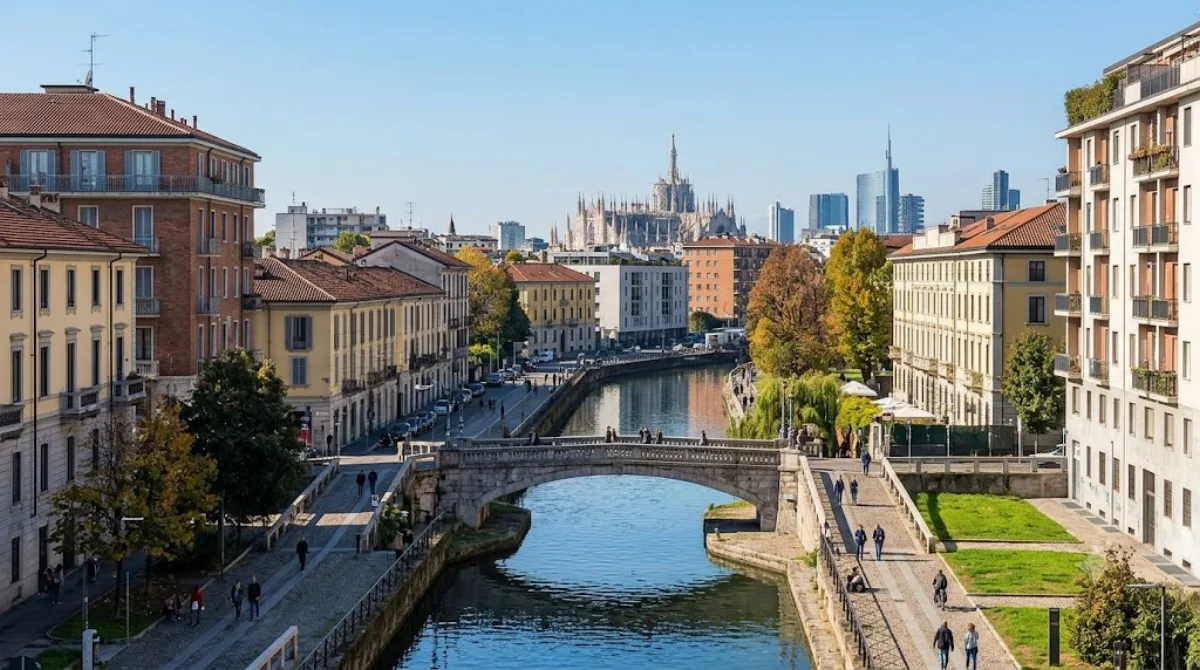
Der Olona in Mailand
Der Olona ist ein Fluss, der durch das Mailänder Stadtgebiet fließt und insgesamt etwa 71 km lang ist. Im Gegensatz zu den zentralen touristischen Sehenswürdigkeiten der Stadt bietet dieser Bereich eine natürliche Umgebung. Reisende nutzen die Uferwege vor allem für Spaziergänge oder Radtouren, um die Stadt abseits der bebauten Zentren zu erleben.
Anreise und Zeitaufwand
Die Abschnitte des Flusses innerhalb der Stadt sind über das öffentliche Verkehrsnetz Mailands erreichbar. Je nach gewählter Uferstrecke dauert die Fahrt vom Stadtzentrum aus etwa 15 bis 30 Minuten. Für einen entspannten Spaziergang oder eine kurze Radtour entlang des Wassers sollte man etwa zwei bis drei Stunden einplanen.
Besuchszeit und Hinweise
Der Fluss ist ganzjährig zugänglich. Die Frühlings- und Herbstmonate eignen sich aufgrund der milderen Temperaturen am besten für Aktivitäten im Freien. Da es sich nicht um eine primäre Touristenattraktion handelt, ist es hier in der Regel weniger überlaufen als an den zentralen Plätzen der Stadt.
Kombinationsmöglichkeiten
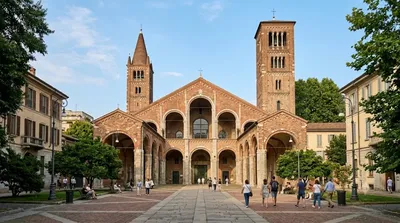
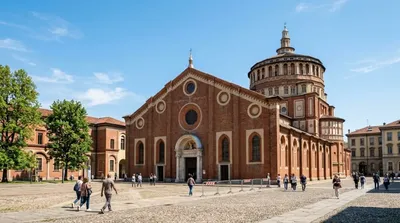
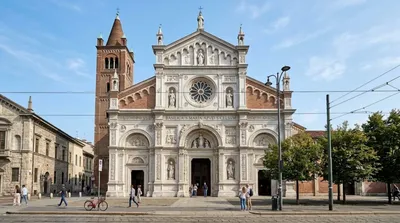
Aufgrund der Lage lassen sich die Uferwege mit dem Besuch mehrerer historischer Kirchen kombinieren. In der Nähe befinden sich folgende Sehenswürdigkeiten:
- Basilika Sant'Eustorgio (2,1 km)
- Basilika Sant'Ambrogio (2,2 km)
- Santa Maria delle Grazie (2,3 km)
- Basilika San Lorenzo (2,3 km)
Aktualisiert 21. September 2026 · Redaktion die World by City-Redaktion
 GetYourGuide
 Klook
Klook
 Tiqets
 KKday
KKday
 WeGoTrip
 Booking.com
 Hotels.com