Museen & Galerien
Uhrturm von San Marco
St Mark's Clocktower
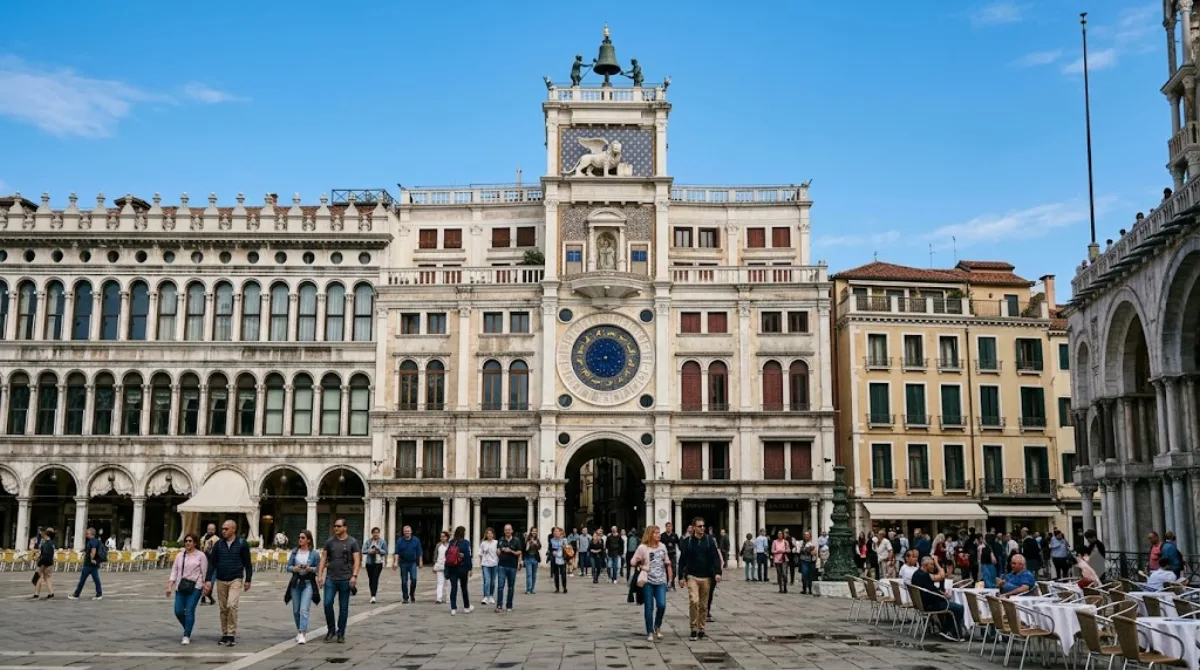
Der St.-Markus-Zeitturm
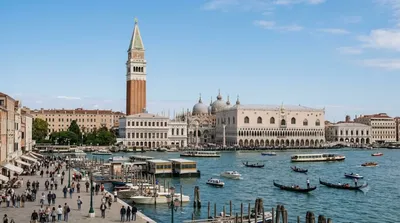
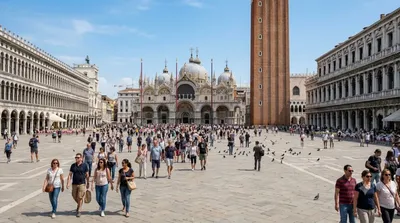
Der St.-Markus-Zeitturm ist ein Bauwerk aus der frühen Renaissance am nördlichen Rand des Markusplatzes, direkt am Eingang zu den Mercerie-Gassen. Das Gebäude aus dem späten 15. Jahrhundert beherbergt eine komplexe astronomische Uhr. Ursprünglich wurde die Uhr so positioniert, dass sie für Schiffe in der Lagune sichtbar war, um den Reichtum und die Macht Venedigs zu demonstrieren.
Anreise und Zeitaufwand
Da sich der Turm zentral am Markusplatz befindet, ist er vom Stadtzentrum aus bequem zu Fuß erreichbar. Je nach Startpunkt im Zentrum dauert der Weg wenige Minuten. Für die Besichtigung des Turms und die Betrachtung der Uhr sollte man etwa 30 bis 60 Minuten einplanen.
Besuchszeitpunkt
Der Bereich um den Turm ist aufgrund der Lage am Hauptplatz Venedigs fast zu jeder Tageszeit stark besucht. Um großen Menschenmengen zu entgehen, empfiehlt sich ein Besuch in den frühen Morgenstunden. In der Hauptreisezeit ist mit einem sehr hohen Touristenaufkommen zu rechnen.
Kombinationsmöglichkeiten
Aufgrund der zentralen Lage lassen sich weitere Sehenswürdigkeiten in unmittelbarer Nähe kombinieren:
- Markusdom (Basilica di San Marco): 0,1 km
- Markusturm (Campanile di San Marco): 0,1 km
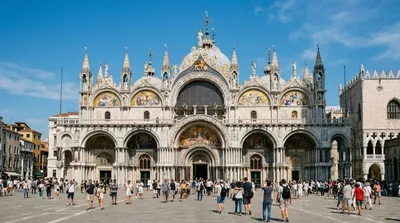
- Markusplatz (Piazza San Marco): 0,1 km
- Museo Correr: 0,2 km
Aktualisiert 20. September 2026 · Redaktion die World by City-Redaktion
 GetYourGuide
 Klook
Klook
 Tiqets
 KKday
KKday
 WeGoTrip
 Booking.com
 Hotels.com