博物館・美術館
アラ・パキス
Ara Pacis
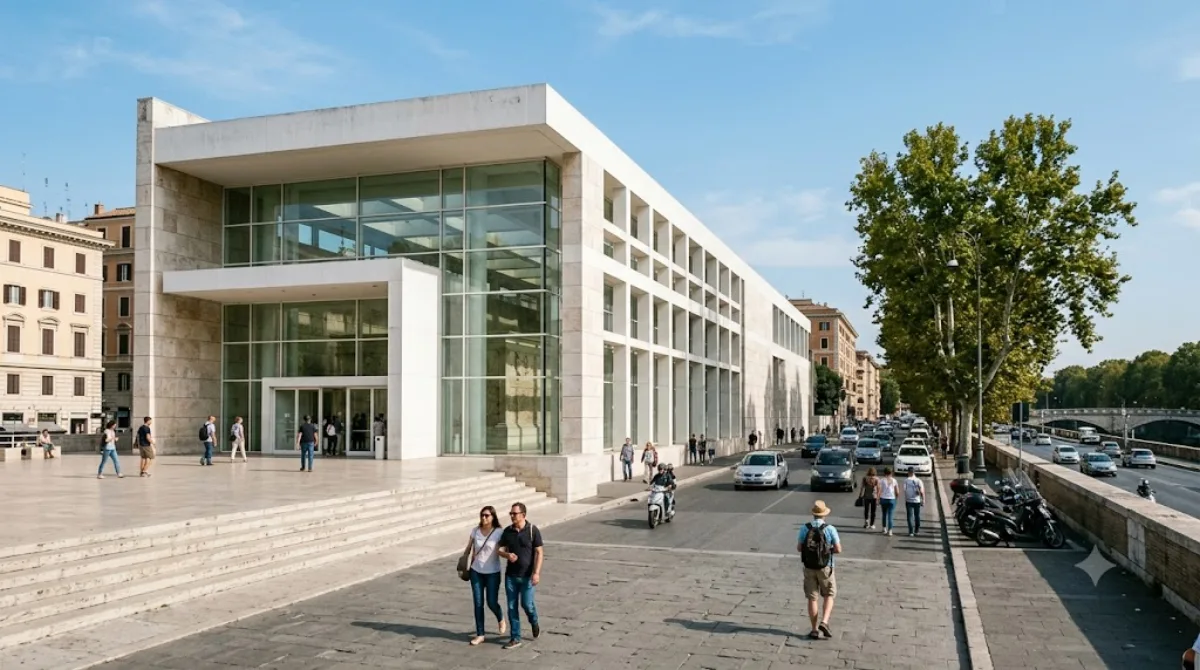
アラ・パキス・アウグスタエ はパークス(平和の女神)の祭壇で、ラテン語で「アウグストゥスの平和の祭壇」の意。通称はアラ・パキス。紀元前13年7月4日、元老院がヒスパニアとガリアで大勝利を収め帰還するローマ皇帝アウグストゥスの栄誉を称えて製作を依頼し、紀元前9年1月30日、アウグストゥスの勝利によってローマ帝国に平和がもたらされたことを祝って元老院が奉献した。祭壇はローマ市民の宗教観を視覚化したものとされている。また、ローマ帝国の軍事的優位による「パクス・ロマーナ(またはパクス・アウグスタ)」がもたらした平和と繁栄の象徴とされ、それを実際にもたらしたユリウス=クラウディウス朝の記念碑とされた。
Ara Pacis
The Ara Pacis is an altar built by the Roman Senate to mark the peace Augustus brought after his campaigns in Hispania and Gaul. It's now enclosed in a modern glass and stone pavilion designed by Richard Meier, which lets you walk all the way around the marble structure and see its carved reliefs up close, including processions of the imperial family and allegorical scenes. It appeals to visitors interested in Roman history and sculpture more than to casual sightseers, since there's a single object at the centre of the visit rather than a large collection.
Getting there
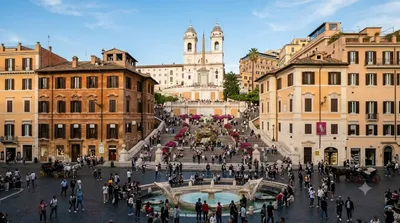
The museum sits in the historic centre, a short walk from Piazza del Popolo and the Spanish Steps. Most visitors reach it on foot as part of a walk through this part of Rome; from Termini station it's roughly 20-25 minutes by bus or taxi.
How long to stay
Because the collection is essentially one monument, an hour is usually enough, including time to read the panels explaining the reliefs.
When to go
It rarely gets as crowded as the major Roman sites, so time of day matters less here. Mornings tend to be quieter and give the best light through the glass walls onto the marble.
Nearby
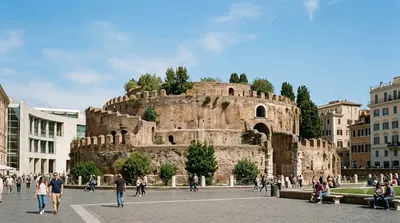
- Mausoleum of Augustus (0.1km) - Augustus's own tomb, a natural pairing given the shared history.
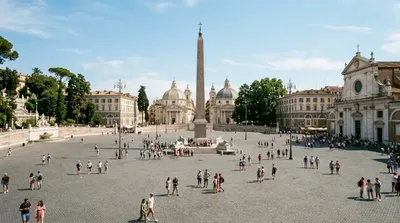
- Piazza del Popolo (0.5km) - a short walk for the square and its churches.
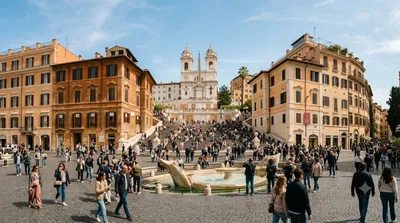
- Piazza di Spagna and the Spanish Steps (0.5-0.6km) - easily combined in the same outing.
出典:ウィキペディア・OpenStreetMap の公開データ · 2026年8月5日 更新 · 編集 World by City 編集部