
Sapporo · Best value
Where should I stay in Sapporo for the best value without losing subway access?
August 2, 2026 · last updated · about 4 min read
Choosing a value-focused base in Sapporo
Sapporo's sightseeing core sits inside the triangle formed by Sapporo Station, Odori, and Susukino, all linked by the three subway lines. For value, look one or two stops off that triangle rather than directly on top of it — you keep a short subway ride while avoiding the highest room rates.
Susukino
One stop south of Odori on the Namboku Line, Susukino is Sapporo's dining and nightlife district. Rooms here can be more reasonably priced outside peak dates because supply is dense, and everything in the core is walkable or a single stop away. Check noise levels and floor height if you're sensitive to late-night activity.
One or two stops out on the Namboku, Tozai or Toho lines
Stations such as Nakajima-koen, Higashi-Sapporo, or Kotoni sit just outside the tightest sightseeing radius but stay on a direct line into Odori or Sapporo Station. These areas are quieter and skew residential, which often means better value for the same room size, at the cost of a five-to-ten-minute subway ride to the center.
Near Sapporo Station itself
Staying right at Sapporo Station removes any transfer from the airport Rapid Airport train, useful if you're arriving with luggage or on an early or late flight. It's usually not the cheapest option, but it can offset value lost elsewhere by cutting transport costs and time.
What to check before booking
- Walking distance in minutes to the nearest subway entrance, not just straight-line distance
- Whether the fare from the airport requires a change, or is a direct ride from New Chitose Airport (CTS)
- Winter footpath conditions and whether the route to the station is cleared and covered
- Whether breakfast or laundry is included, since these affect real value more than the room rate alone
When to visit
The Sapporo Snow Festival in early February and summer festival dates around July and August drive up demand and reduce value citywide. Shoulder months such as May or late October tend to offer steadier availability and a better chance of finding well-located rooms at reasonable rates.
Pick your dates — we'll search Sapporo hotels for you
Choose dates and guests, and the buttons below will open search results with your criteria. Prices differ between sites, so compare before you book.
 View on Booking.com
 View on Hotels.com
Things to see in Sapporo
See all →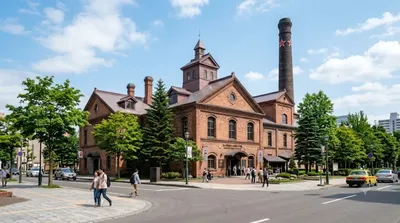
Museums & galleries
Sapporo Beer Museum
The Sapporo Beer Museum is housed in a striking red-brick building, originally built in 1890 as a sugar refinery before being repurposed and opened as a museum in 1987. As Japan's only museum dedicated to beer, it traces the history and brewing process of Sapporo Beer, and the Sapporo Beer Garden on the building's south side offers tastings and meals as well.
Temples & religious sites
Hokkaidō Jingū
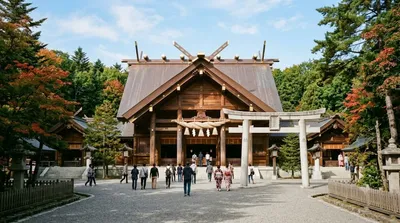
Hokkaido Jingu is a Shinto shrine located within Sapporo's Maruyama Park, known as Sapporo Jinja until 1964. It enshrines four deities, including the spirit of Emperor Meiji, along with figures from Hokkaido's early pioneering era such as Mamiya Rinzo.
Museums & galleries
Sapporo Clock Tower
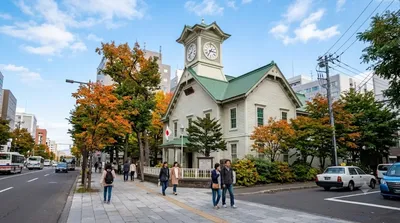
The Sapporo Clock Tower is a wooden building erected around 1878, originally built as a facility of Sapporo Agricultural College (now Hokkaido University). True to its name, it has a bell-tower-style clock mounted at the top, and it's known as the oldest clock tower in Japan.
Museums & galleries
Hokkaido Museum
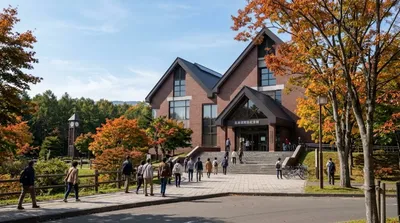
The Hokkaido Museum is a comprehensive museum located within Nopporo Forest Park, opened in 2015. It was created by merging the collections of the formerly separate Historical Museum of Hokkaido and the Ainu Culture Research Center, and is also nicknamed "Mori no Charenga" (Charenga of the Forest).
More Sapporo guides
5-star & luxury
Where should you stay in Sapporo for a 5-star or luxury trip?
Pool villas & resorts
Where to stay in Sapporo for a pool villa or resort-style hotel
Family travel
Where should families stay in Sapporo, Japan?
Couples & honeymoon
Where should couples stay in Sapporo for a honeymoon trip?
Central & near stations
Where to Stay in Sapporo for Easy Access to Odori, Sapporo Station and the Subway
Best time to visit
When Is the Best Time to Visit Sapporo?
First-time guide
How to plan your first trip to Sapporo, Japan
Getting around
How do you get around Sapporo, and is the airport train worth it?