Natur
Drau
Drava
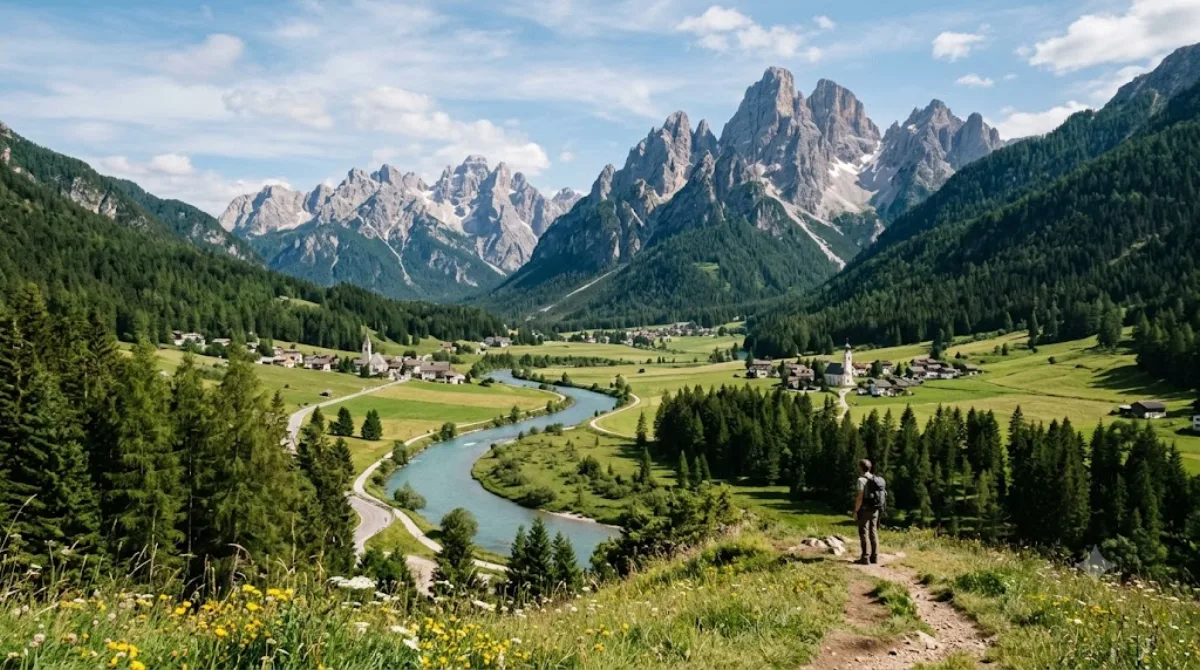
Die Drava in den Dolomiten
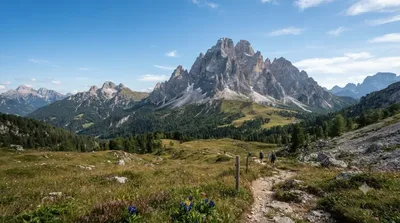
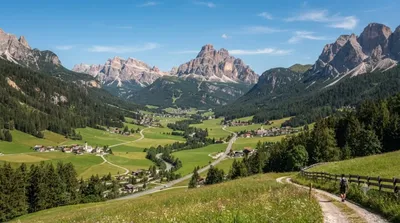
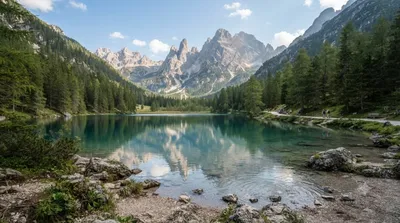
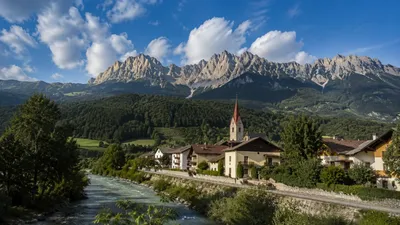
Die Drava ist ein Fluss, der seinen Ursprung im Pustertal bei Innichen in Südtirol, Italien, hat und von dort aus nach Osten fließt. In diesem oberen Abschnitt präsentiert sich das Gewässer keinen dramatischen Verlauf mit Wasserfällen oder Schluchten, sondern einen klaren, ruhig fließenden Strom. Reisende besuchen diesen Ort, um die Landschaft aus Wiesen und Wäldern zu erleben, die den Flusslauf im Gebirgstal begleiten.
Anreise und Zeitplanung
Die Quelle und die oberen Abschnitte des Flusses liegen in der Nähe von Innichen. Da es sich nicht um ein einzelnes Gebäude, sondern um einen Flusslauf handelt, ist die Erreichbarkeit je nach genauem Zielpunkt unterschiedlich. Von den Ortszentren der umliegenden Gemeinden ist der Fluss meist innerhalb weniger Minuten zu Fuß oder mit dem Fahrrad erreichbar.
Für einen Spaziergang entlang des Ufers oder eine kurze Erkundung der Uferlandschaft sollten etwa ein bis zwei Stunden eingeplant werden.
Beste Besuchszeit
Der Fluss ist ganzjährig zugänglich. Die umliegenden Wiesen und Wälder verändern ihr Erscheinungsbild je nach Saison, was die Wahl des Besuchszeitpunkts beeinflusst. Es gibt keine spezifischen Stoßzeiten, die den Zugang zum Fluss einschränken, wobei die Region in den Hauptferienzeiten belebter ist.
Kombinationsmöglichkeiten
In der Umgebung befinden sich weitere Ziele, die mit einem Besuch des Flusses kombiniert werden können:
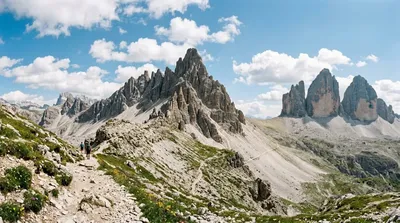
- Dreischusterspitze (7,7 km)
- Pustertal (9,1 km)
- Helm (10,3 km)
- Dürrensee (10,4 km)
Aktualisiert 20. September 2026 · Redaktion die World by City-Redaktion
 GetYourGuide
 Klook
Klook
 Tiqets
 KKday
KKday
 WeGoTrip
 Booking.com
 Hotels.com